BEACH CLEANUP SOLUTIONS TO IMPROVE:
CLEANING CAPABILITY
Cleaning Capability usually isn't usually constrained by effort—it's typically determined by whether your cleanup method is fundamentally capable of handling the debris and sand conditions on your beach.
Below, we'll show you how different cleanup approaches match up with the various debris types and cleaning conditions you may encounter on your beach, so you can identify how to remove cleaning capability as a limiting constraint for your beach cleaning program.
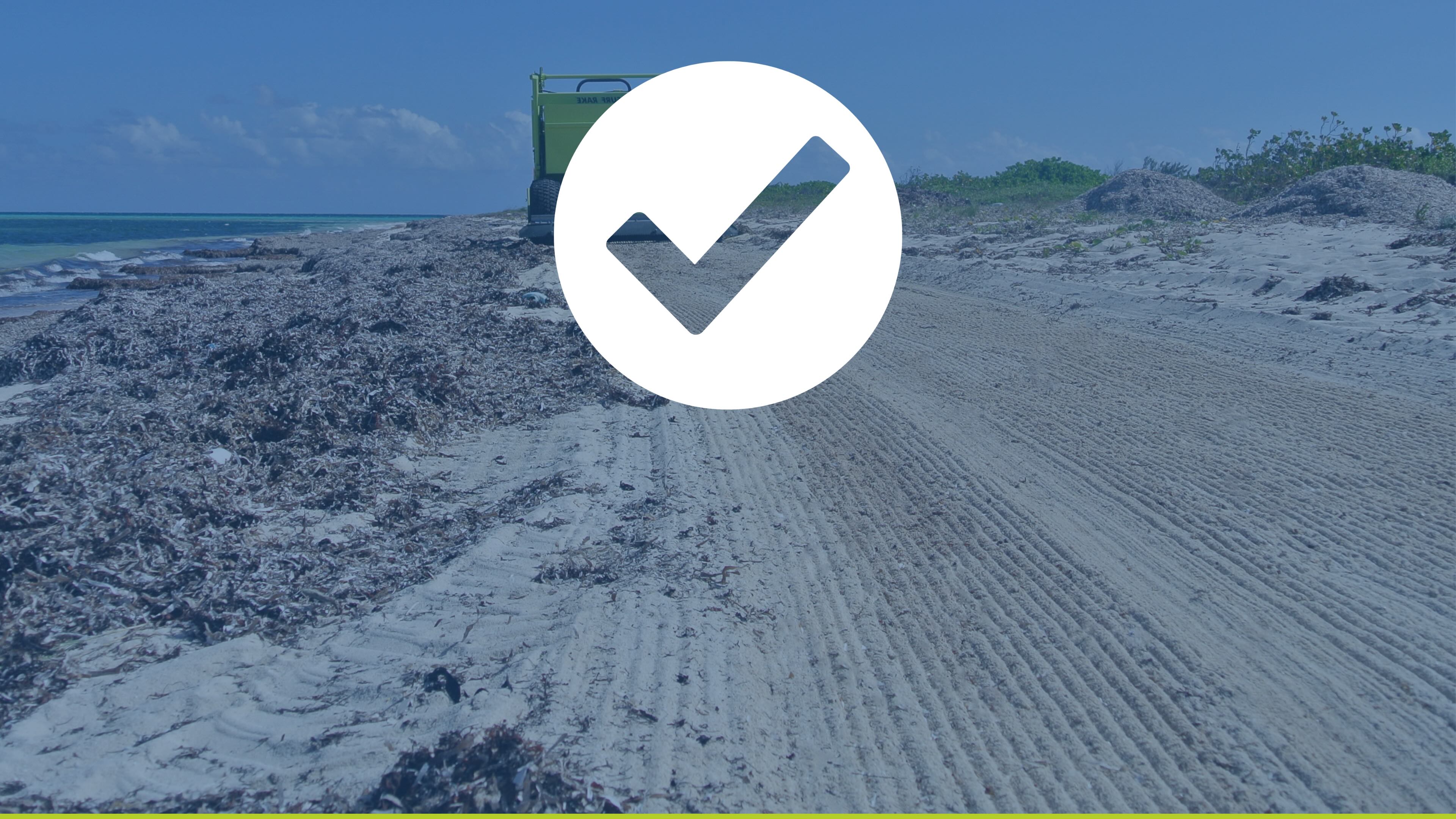
If your beach cleanup program struggles with cleaning capability, you're likely dealing with one or more of these limitations:
Debris types your current method can't effectively remove (seaweed, sticks, small litter, subsurface material)
Sand conditions that reduce your cleaning method's effectiveness (wet/compact sand, loose/dry sand, rocky areas)
Certain sections of the beach never quite looking finished, no matter how much effort goes into cleanup
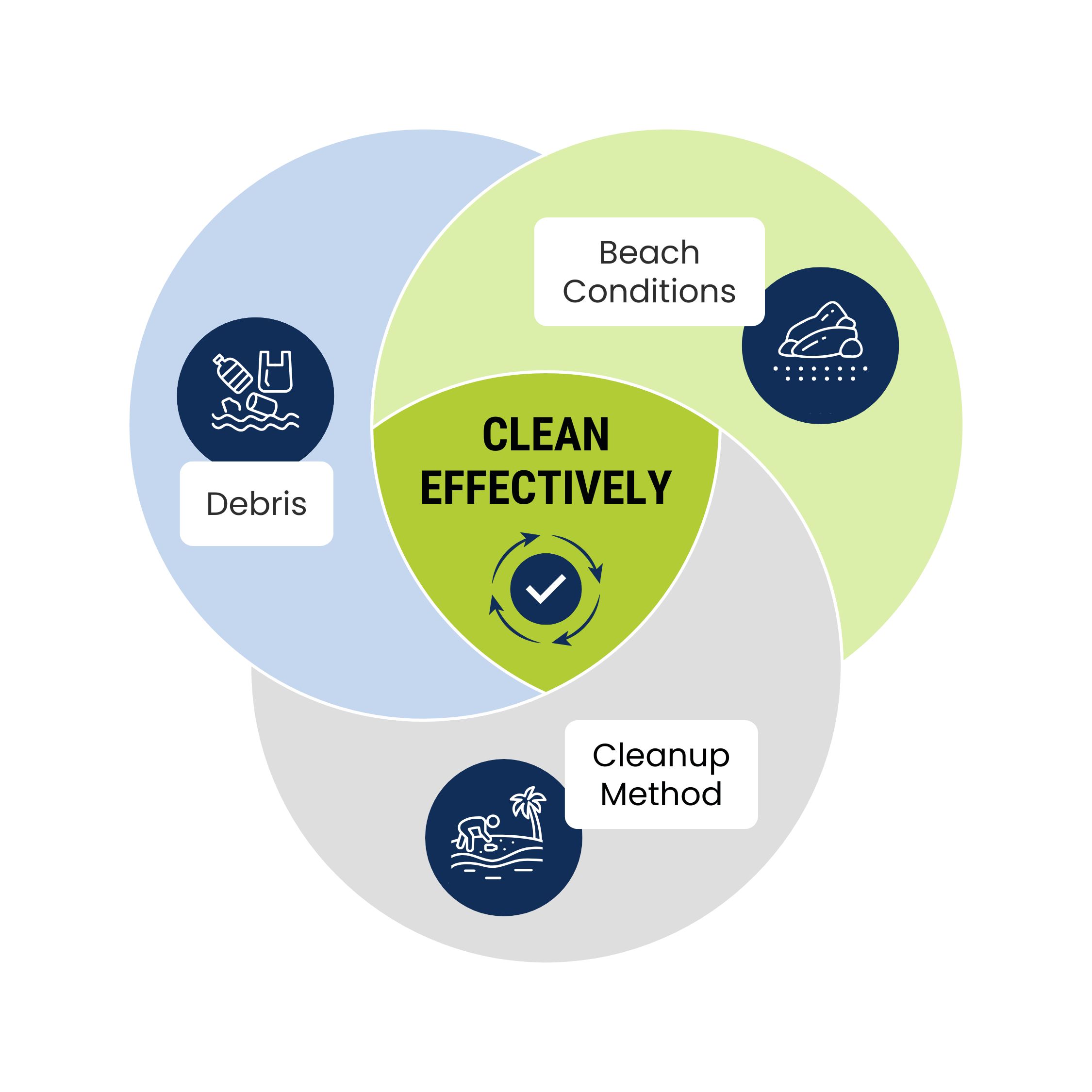
The solution to improve cleaning capability is to employ the cleanup method that most effectively cleans the debris types and the sand conditions your beach presents. This creates a sweet spot of effective cleaning for your program.
CLEANUP CAPABILITY ACROSS CLEANUP METHODS
The following chart compares how the most common beach cleanup methods perform across debris types, locations, volumes, and sand conditions, so you can identify the best method to improve your cleanup capacity.
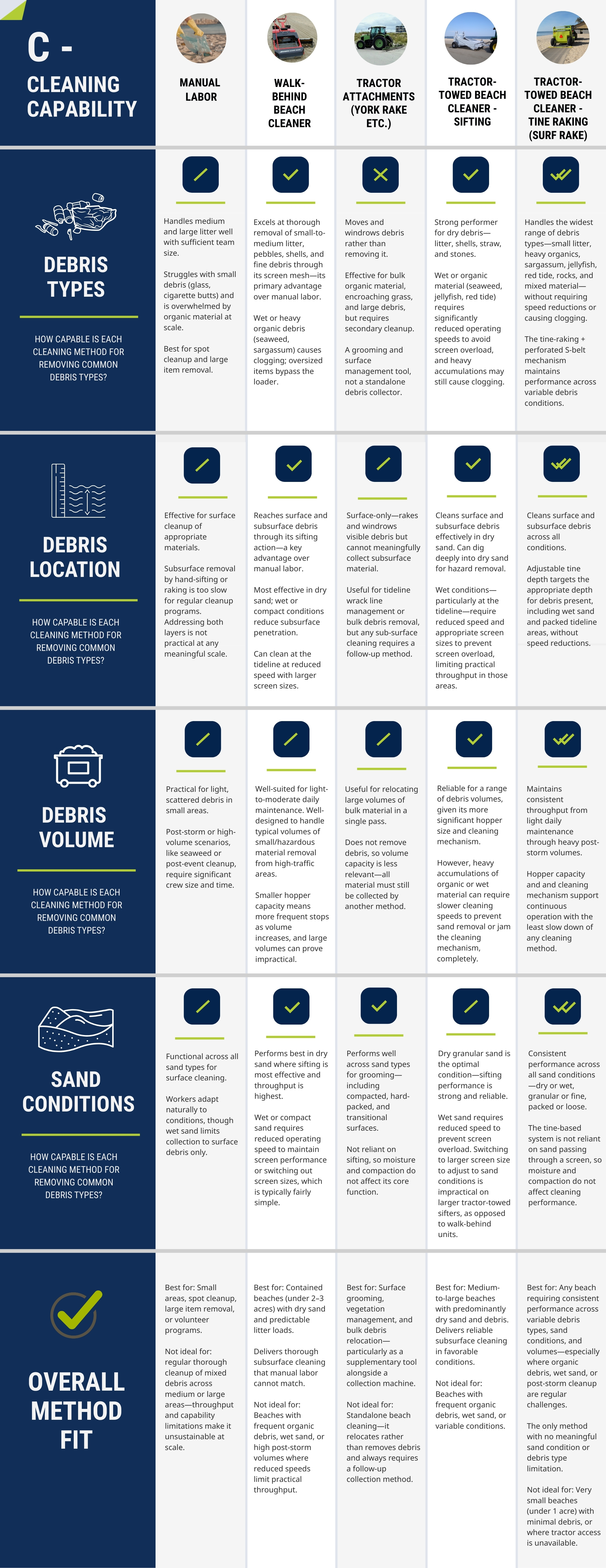
*Performance based on typical beach conditions. Actual results vary by specific debris composition, sand moisture, compaction, and beach terrain.
KEY TAKEAWAYS:
Tractor-Towed Tine-Raking Beach Cleaners
Increase Cleaning Capability the Most
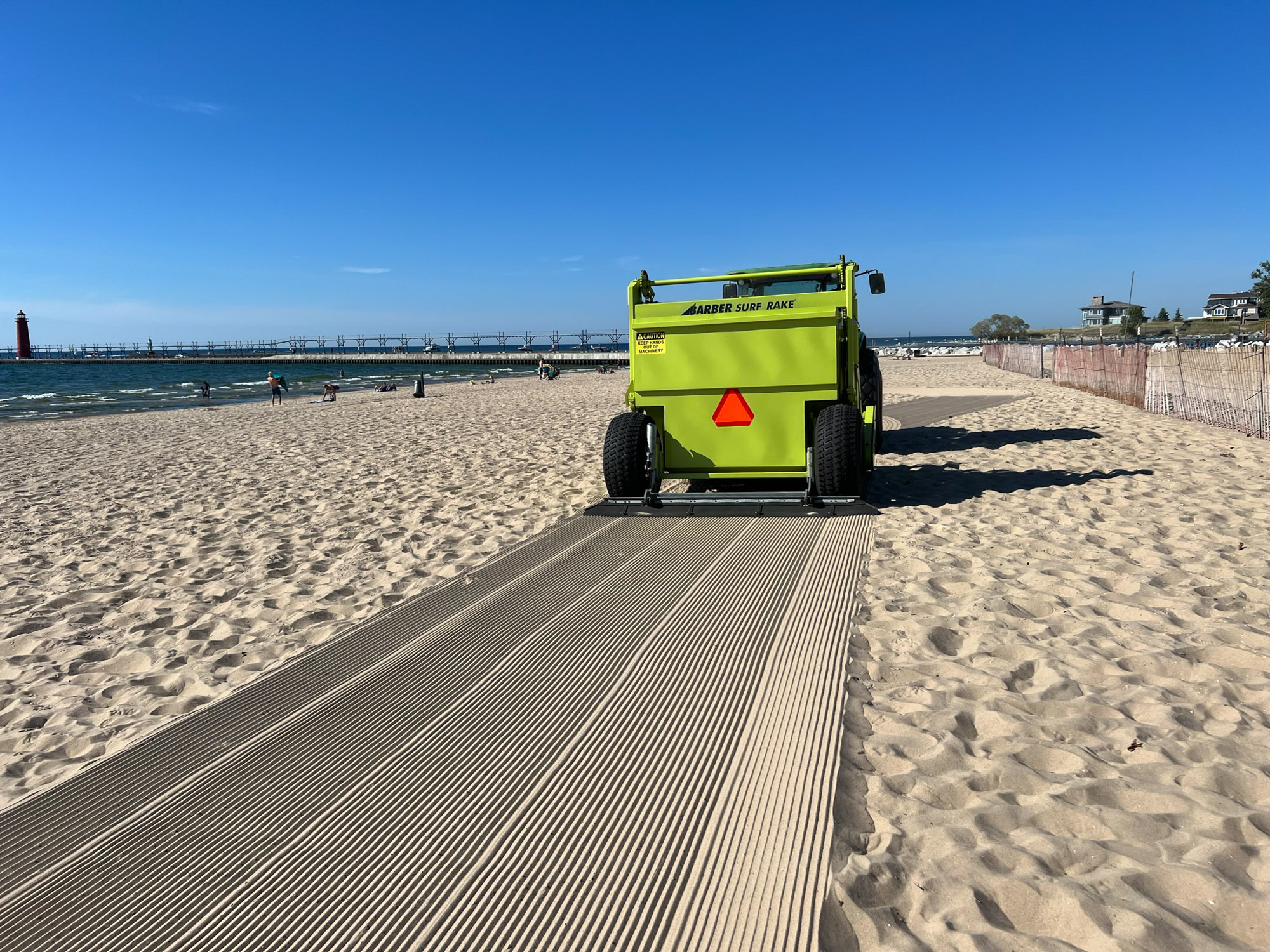
When cleaning capability is your constraint, you need a method that can consistently remove debris regardless of type, size, or sand condition—without requiring ideal circumstances or constant workarounds.
While sifting tractor towed beach cleaners can be effective in dry sand conditions and with certain debris types, they fall short when compared with tine raking beach cleaners in terms of the full range of debris types and conditions they can effectively clean.
Specifically, tine-raking beach cleaners can:
Remove the most common beach debris types with similar effectiveness, ranging from cigarette buts to wet seaweed and sargassum
Remove debris from both dry and wet sand conditions, as would be found at the tideline, without clogging
This design means cleaning capability stays consistent day in and day out—not just on ideal ones.
When Tractor Towed Machines
Might Not Be Necessary
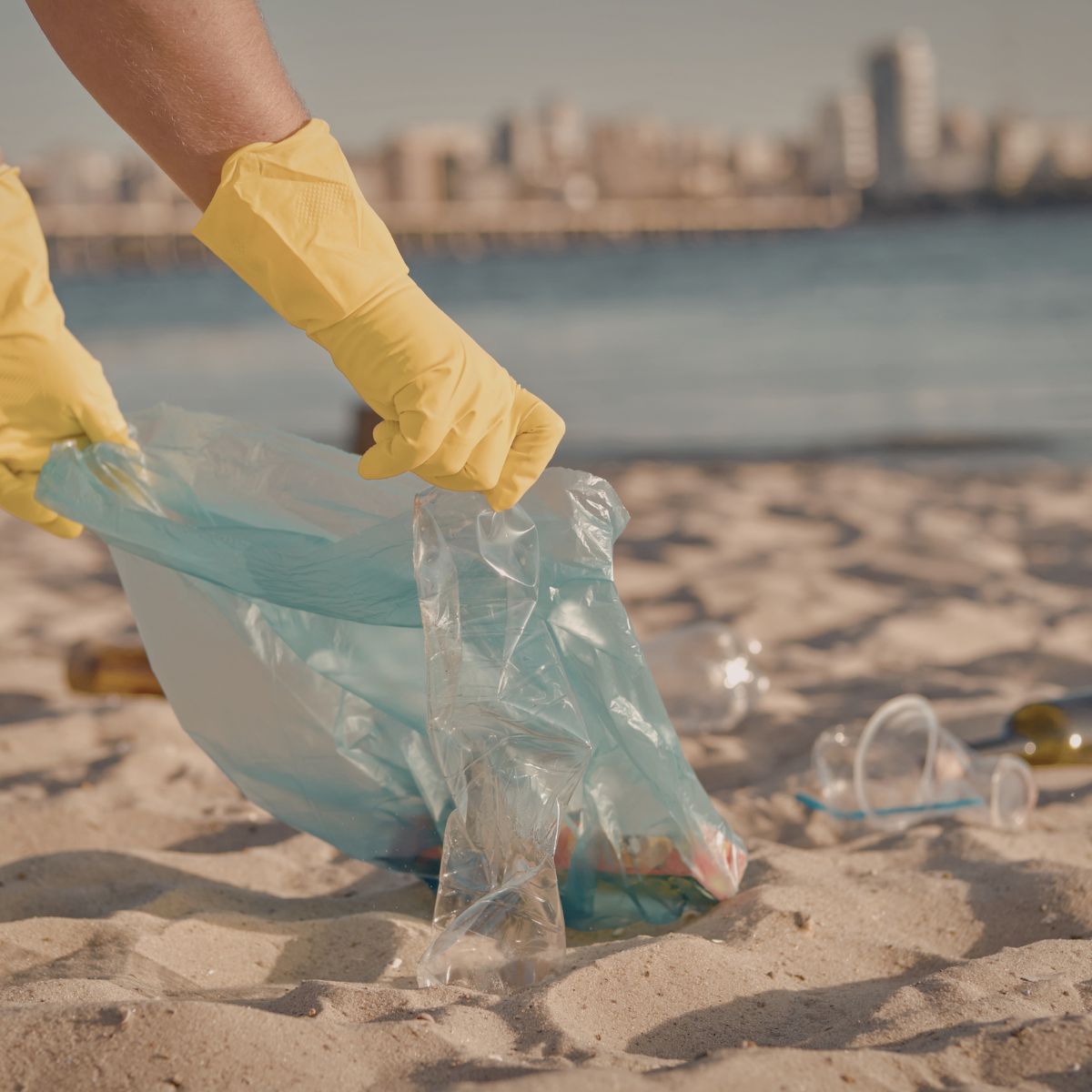
Your beach is under 1 acre and debris volume is minimal year-round
Your beach has exclusively surface-level, lightweight debris with no subsurface cleaning required
Sand conditions are always dry and loose (never wet or compacted)
Budget constraints make equipment investment prohibitive right now
In these cases, manual cleanup or a walk-behind sifting machine might still be adequate. But if you're dealing with larger cleaning areas, volume of debris, varied debris types, or inconsistent results, tractor towed beach cleaners are typically the best method that solves the capability gap.
ANY SAND, ANY CONDITION
SURF RAKE TINE RAKING BEACH CLEANER
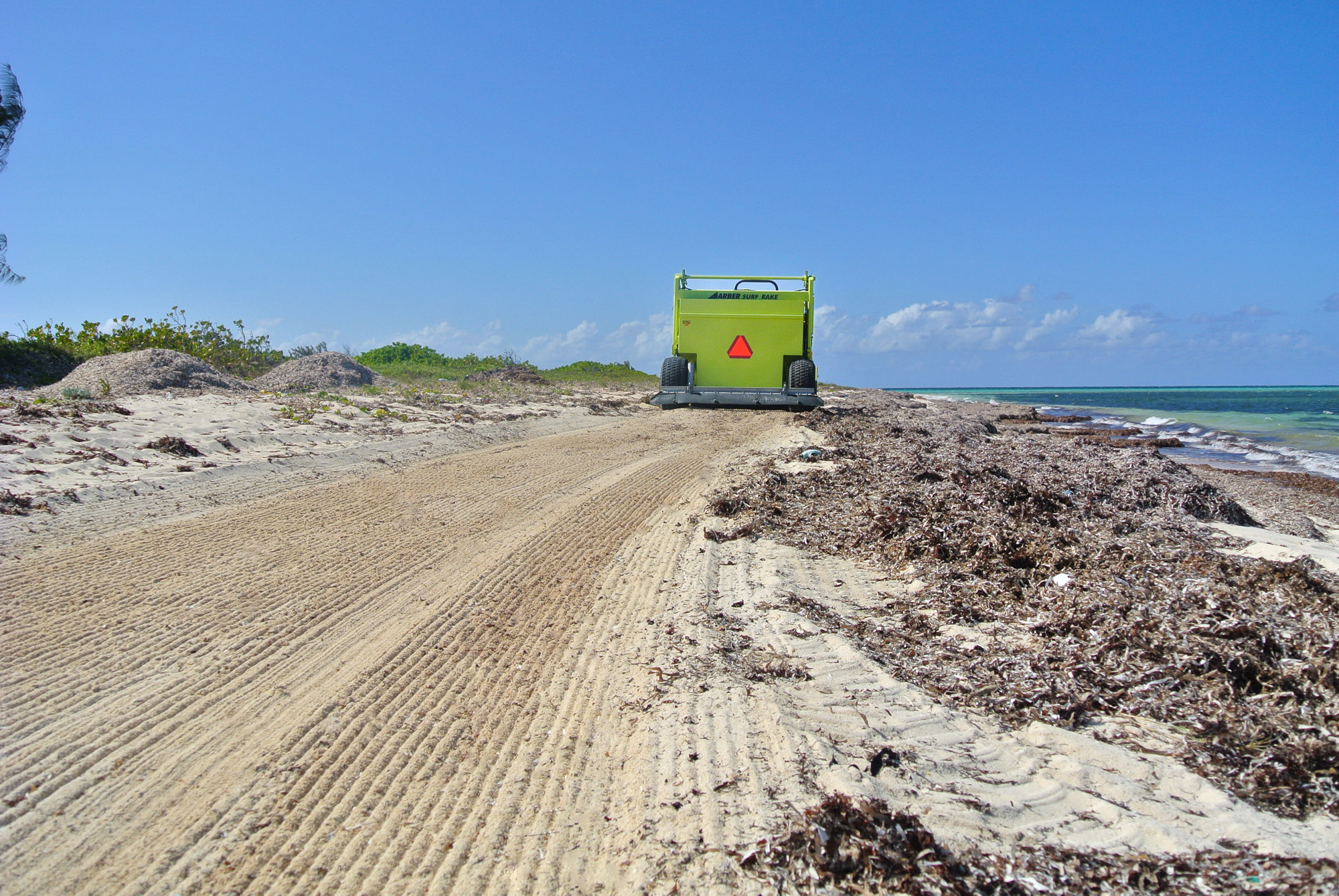
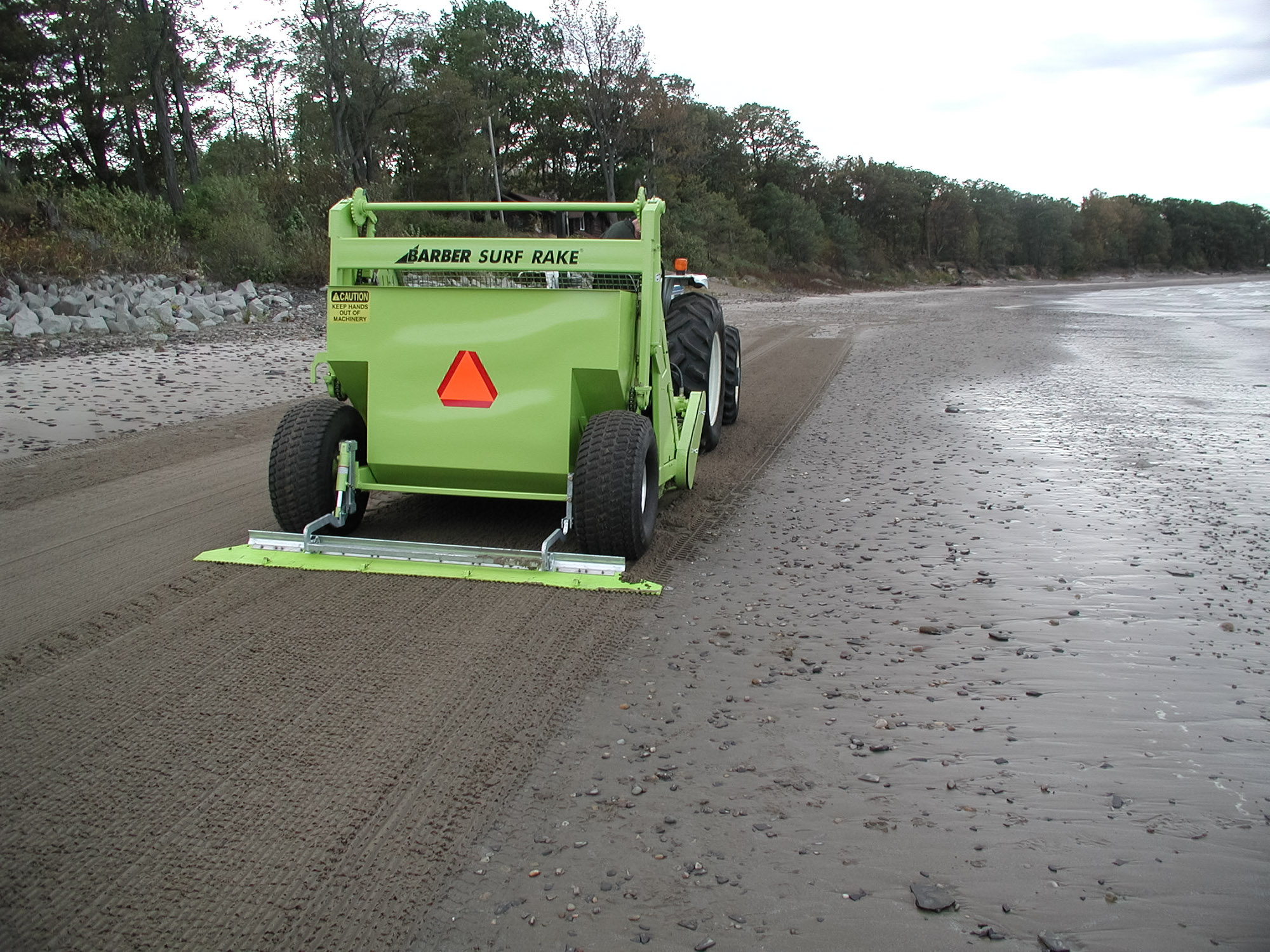
Since 1966, H. Barber & Sons has manufactured the Surf Rake—the most widely used tractor-towed beach cleaner in the world. It was designed specifically to handle the cleaning capability challenges other methods can't.
Proprietary Technology for Maximum Cleaning Capability
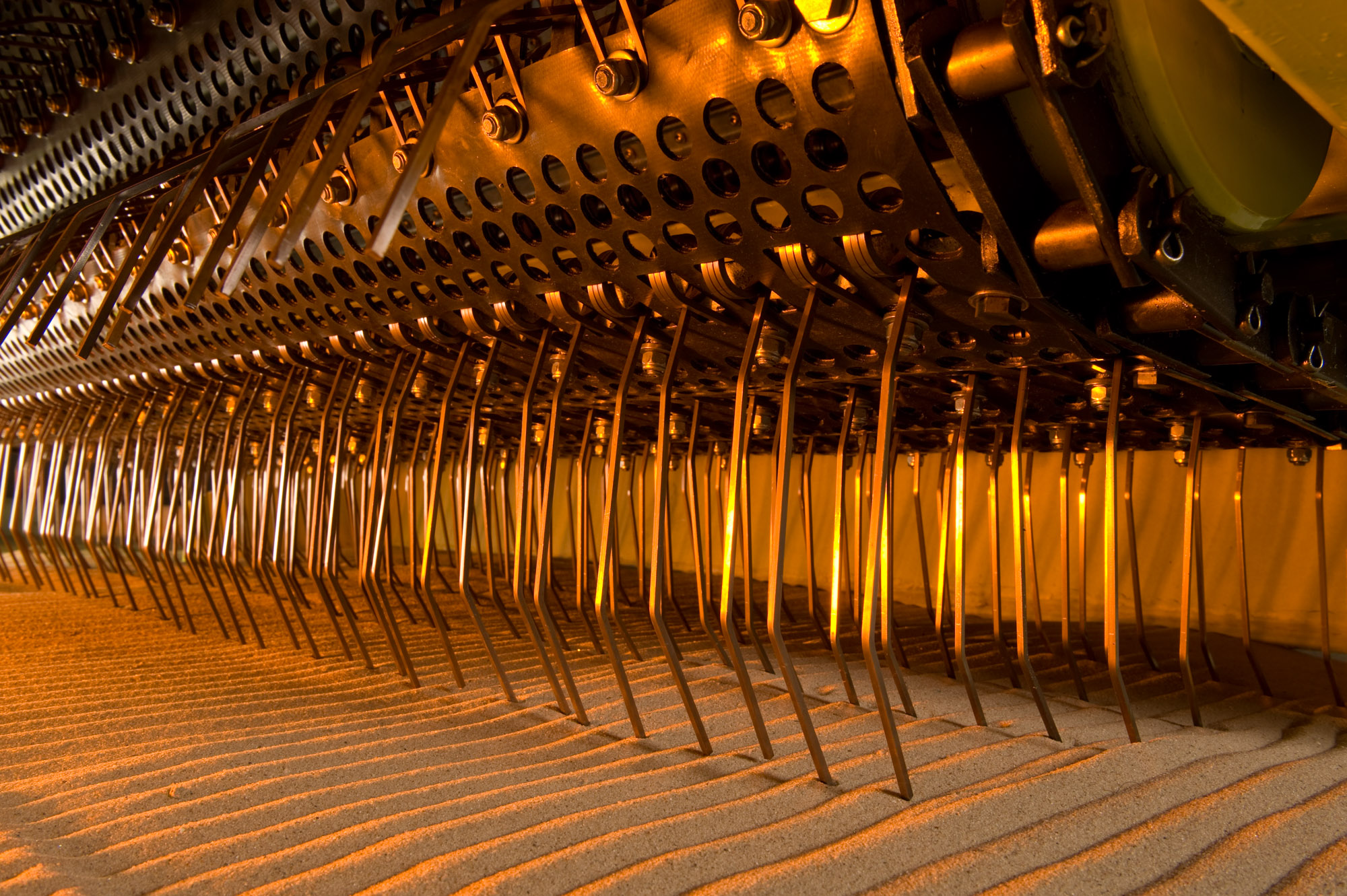
One Method: All Debris Types
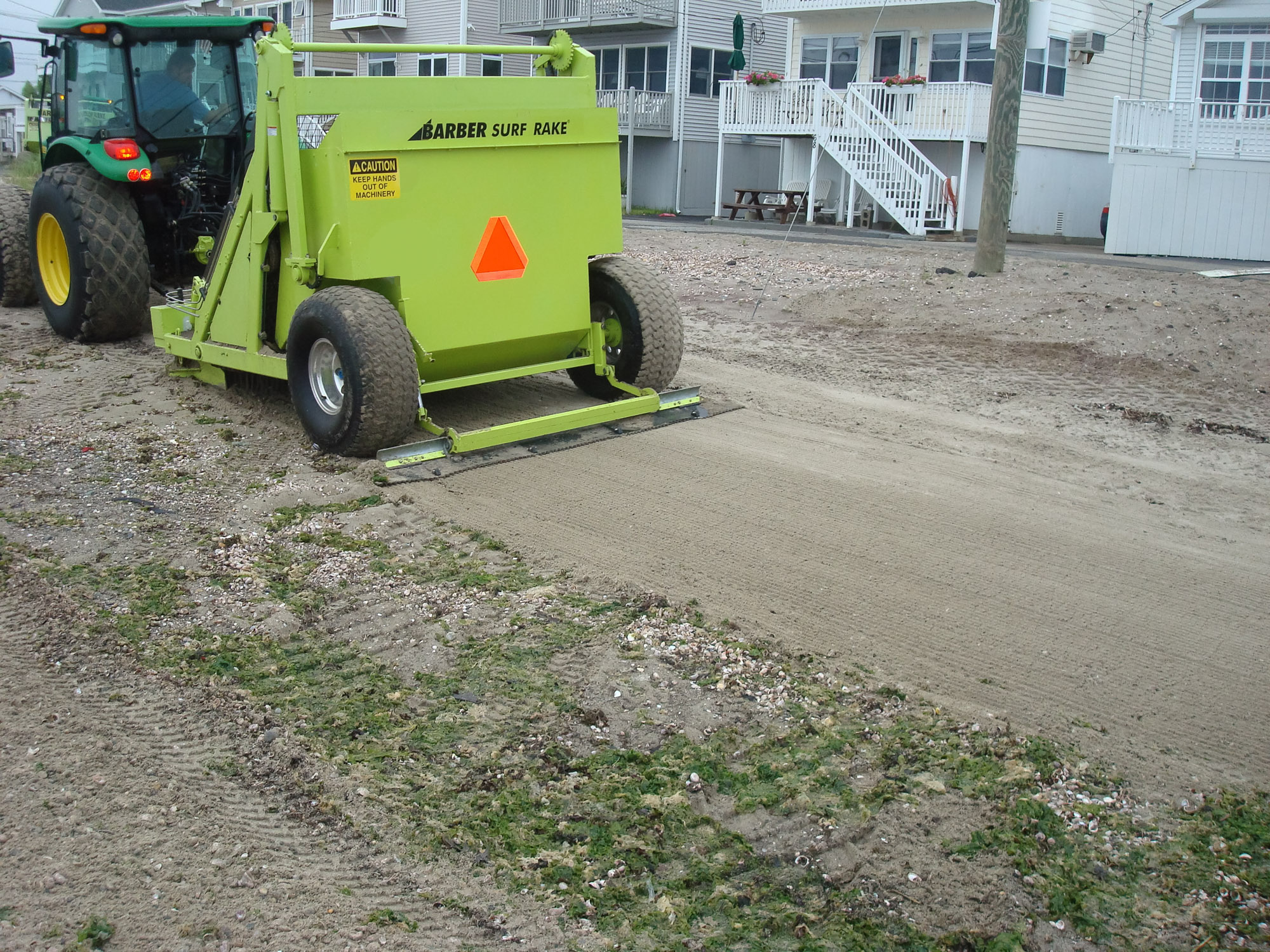
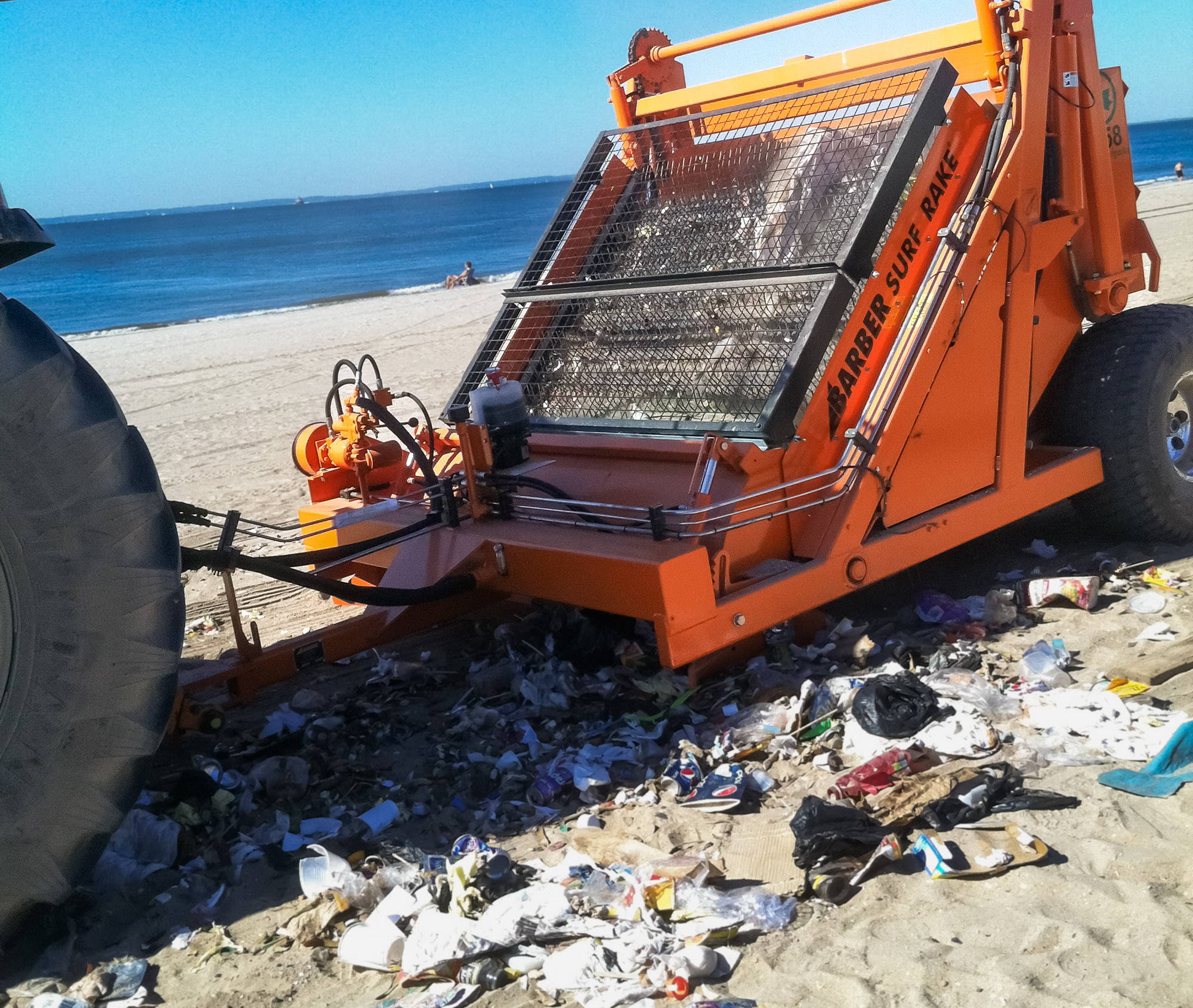
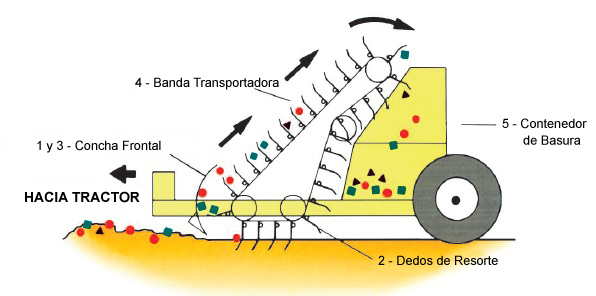
Flexible spring tines offer the maximum versatility & capacity by handling variable debris types in a single pass— seaweed, sticks, shells, plastic, organic matter, and small litter.
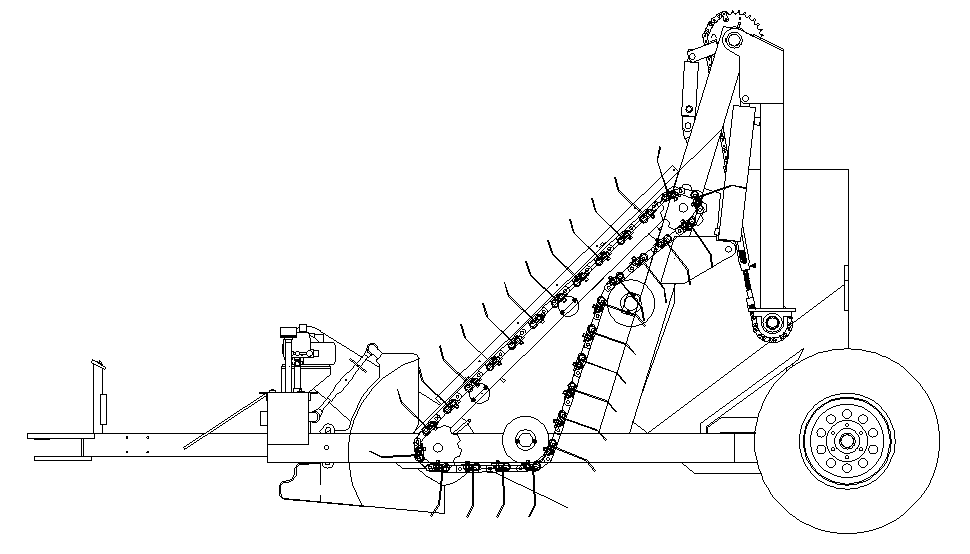
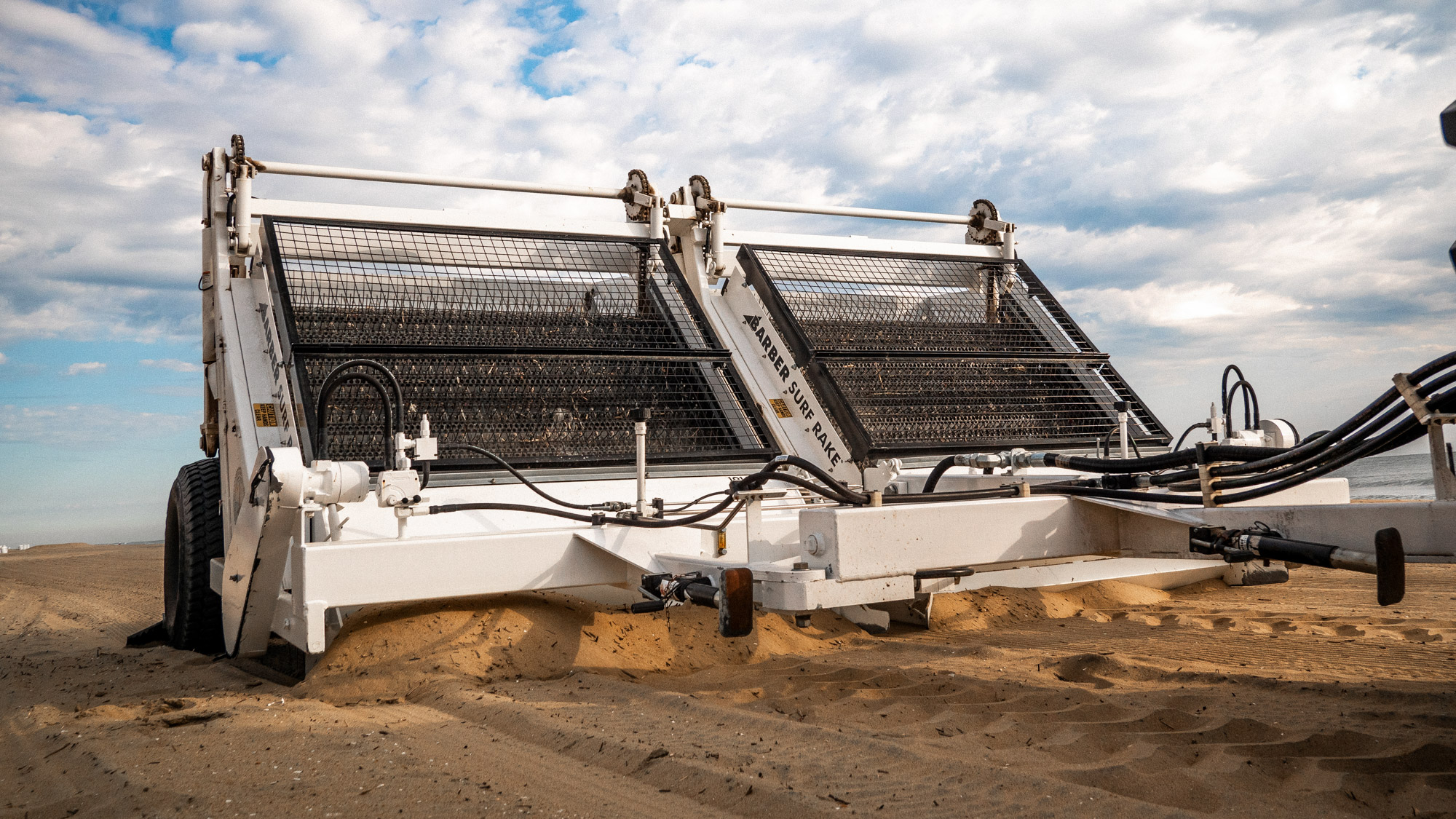
Patented S-Belt Conveyor
Removes the debris, not the sand by allowing sand to fall back to the beach while the tine carry debris to the hopper.
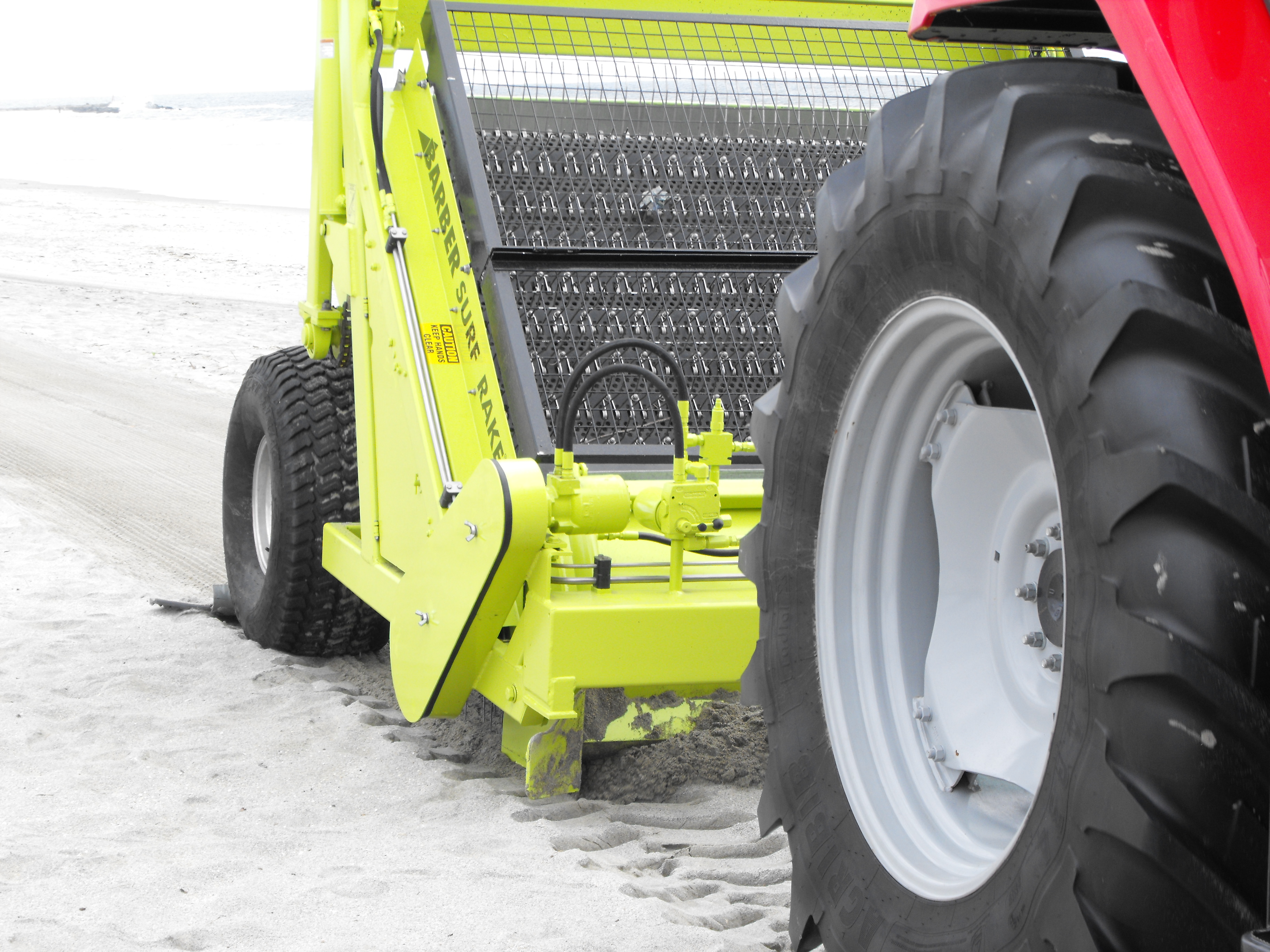
Adjustable Cleaning Depth
Adjustable tine depth (0-6 inches) lets you clean surface litter on light days or dig deeper for subsurface debris, glass, cigarette butts, and compacted material.
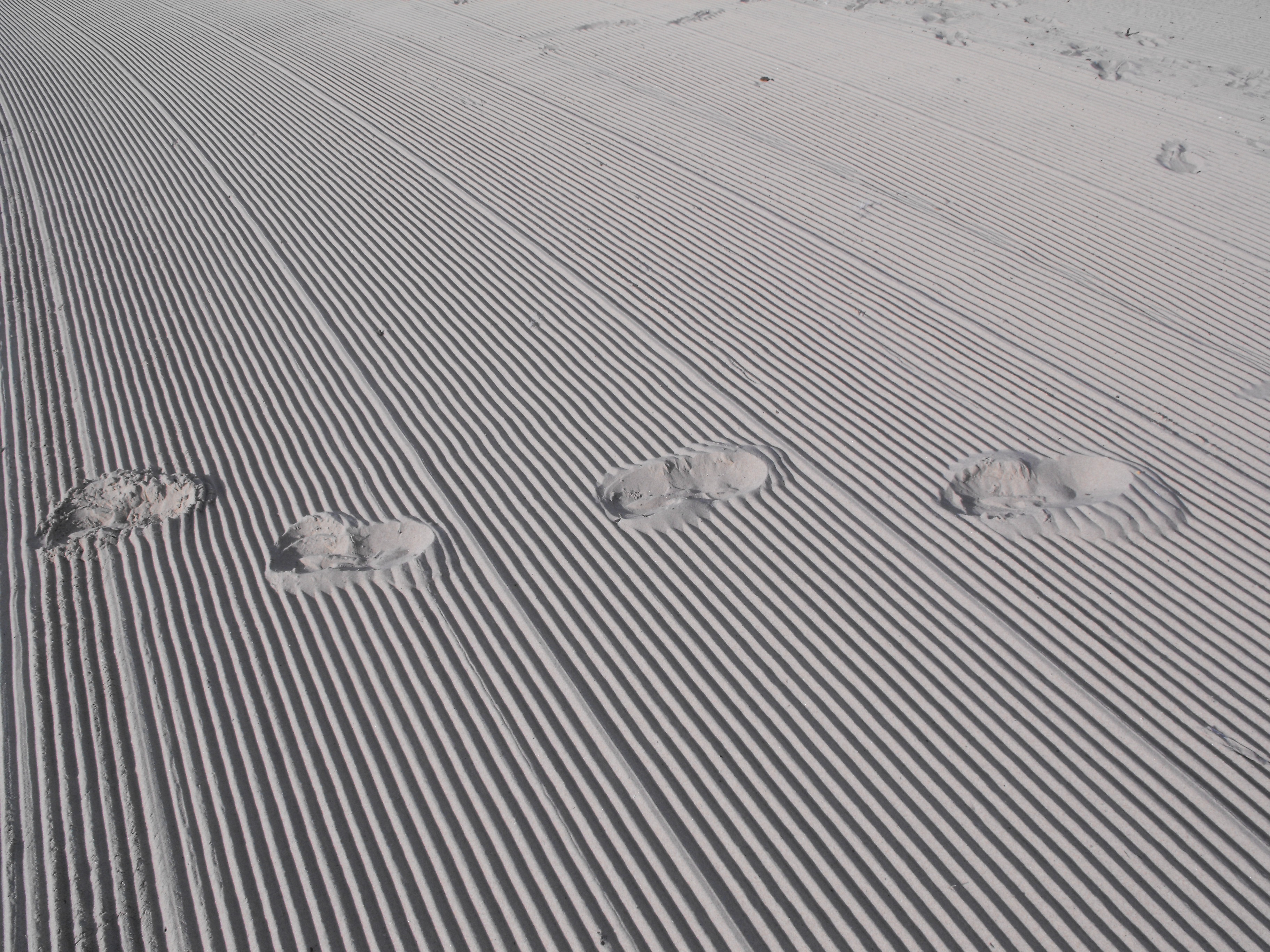
Even Grade, Even Clean
Adjustable moldboard grades beach and allows for adjustments on the fly to adapt to changing beach conditions and debris types.
Consistent Results
Eliminate staffing vulnerability—anyone who can operate a tractor can run the Surf Rake effectively within an hour. Staff turnover, substitutes, or less-experienced operators don't impact cleaning consistency.
Reliable, Proven Design
Eliminate unexpected downtime with rock-solid, foolproof design and components that have been continually sourced, iterated, and proven over the past 60 years.
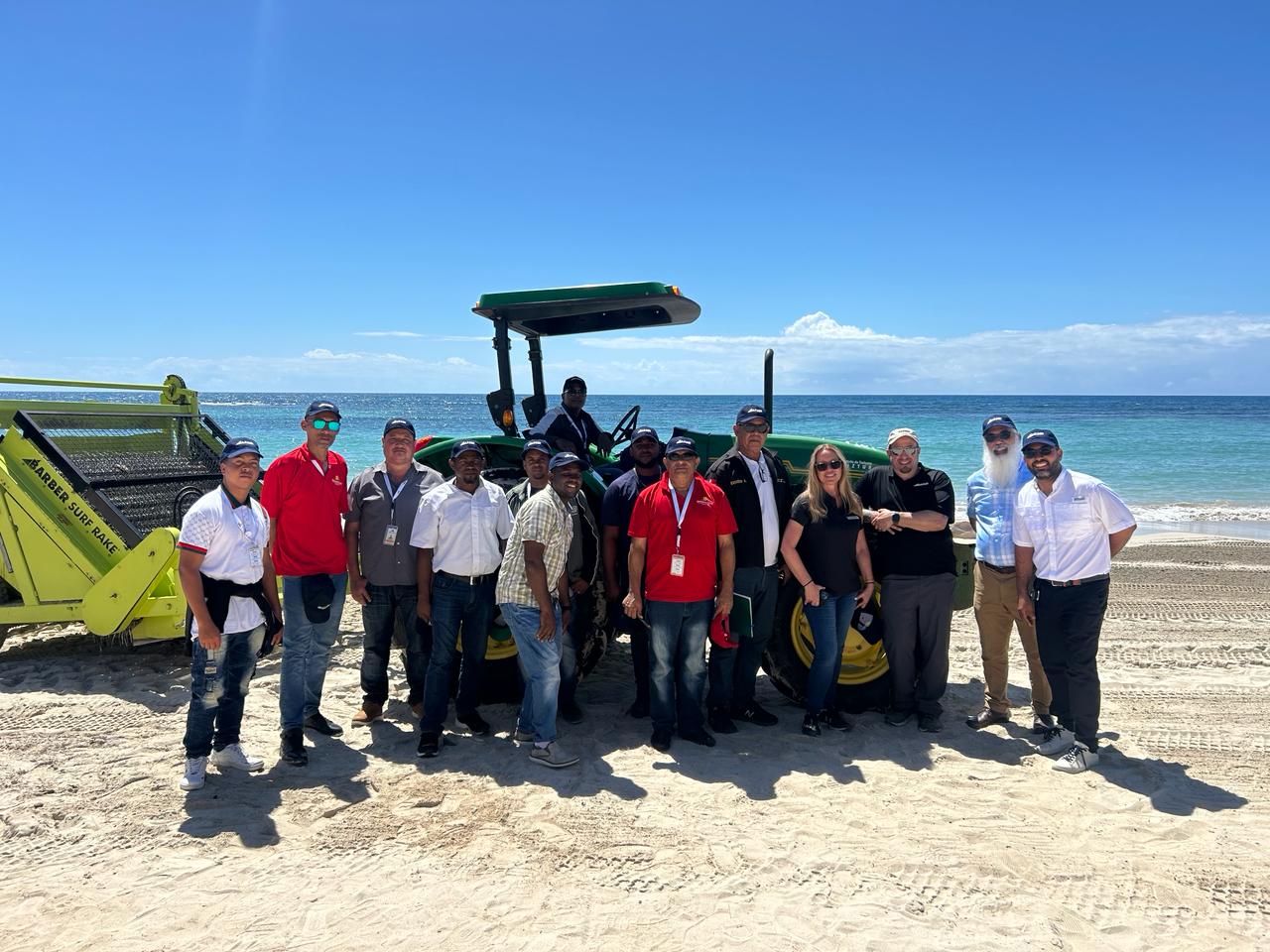
THE SURF RAKE:
Over 60 Years as the World's Most-Used & Trusted Beach Cleaner
Used by thousands of beach managers across 90+ countries for the past 60+ years—including municipal beaches, resorts, private properties, and contractors—who need reliable beach cleaning. The SURF RAKE has been honed through iterative design to be the most reliable, efficient, and effective beach cleaning machine in the industry.
Request a Consult Call
Ready to see how the SURF RAKE would handle your beach's debris and sand conditions?
We'll review your scorecard results and discuss any specific questions you have about how to improve your beach cleaning program. We can cover:
Whether mechanical beach cleaning is a good fit for your program
If so, which Surf Rake model fits your beach size and debris types
How it would handle your specific capability gaps
Operational impact compared to your current method
Not Ready to Talk?
Here Are Some Additional Resources:
Review the SURF RAKE:
Technical specs, tine configurations, debris handling capacity, and model comparisons
Not Sure Which Model?
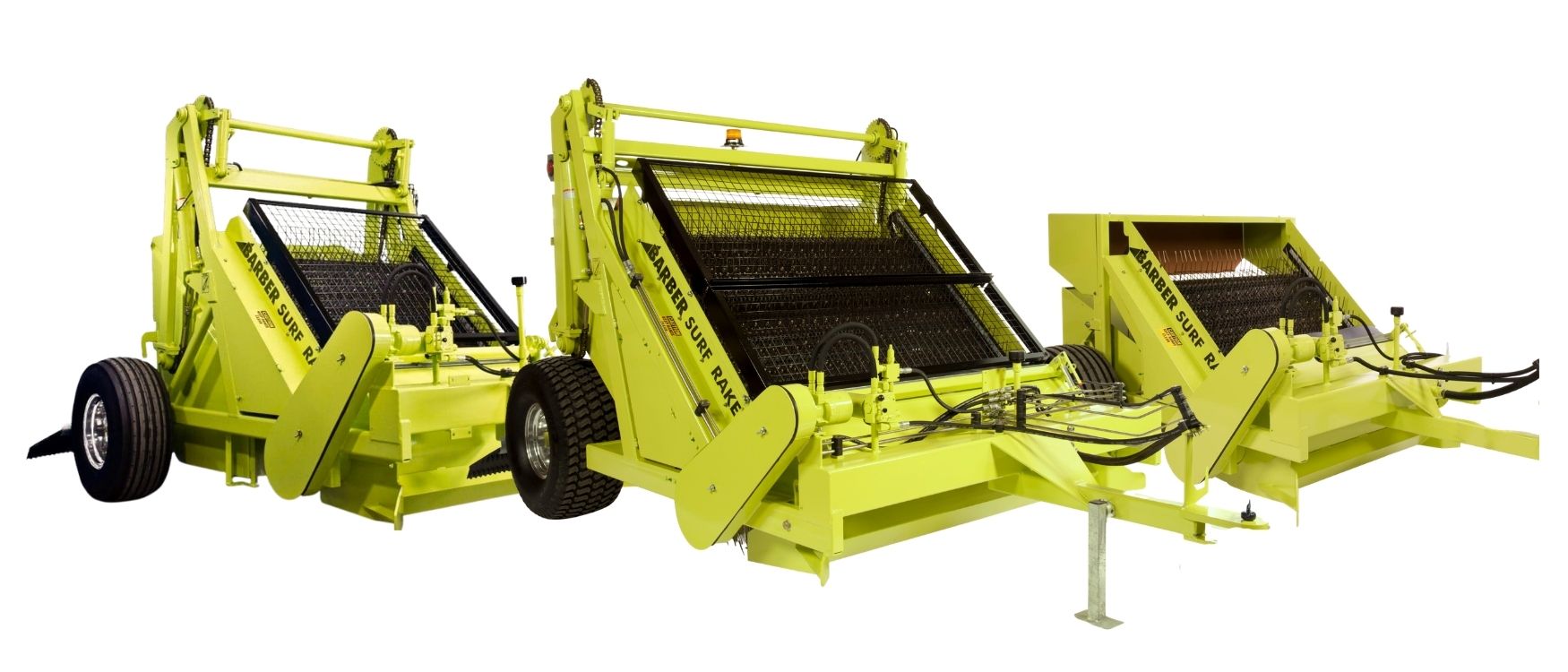
Use our Surf Rake Model Recommendation Tool to see which model could be the best fit for your beach.
See It in Action
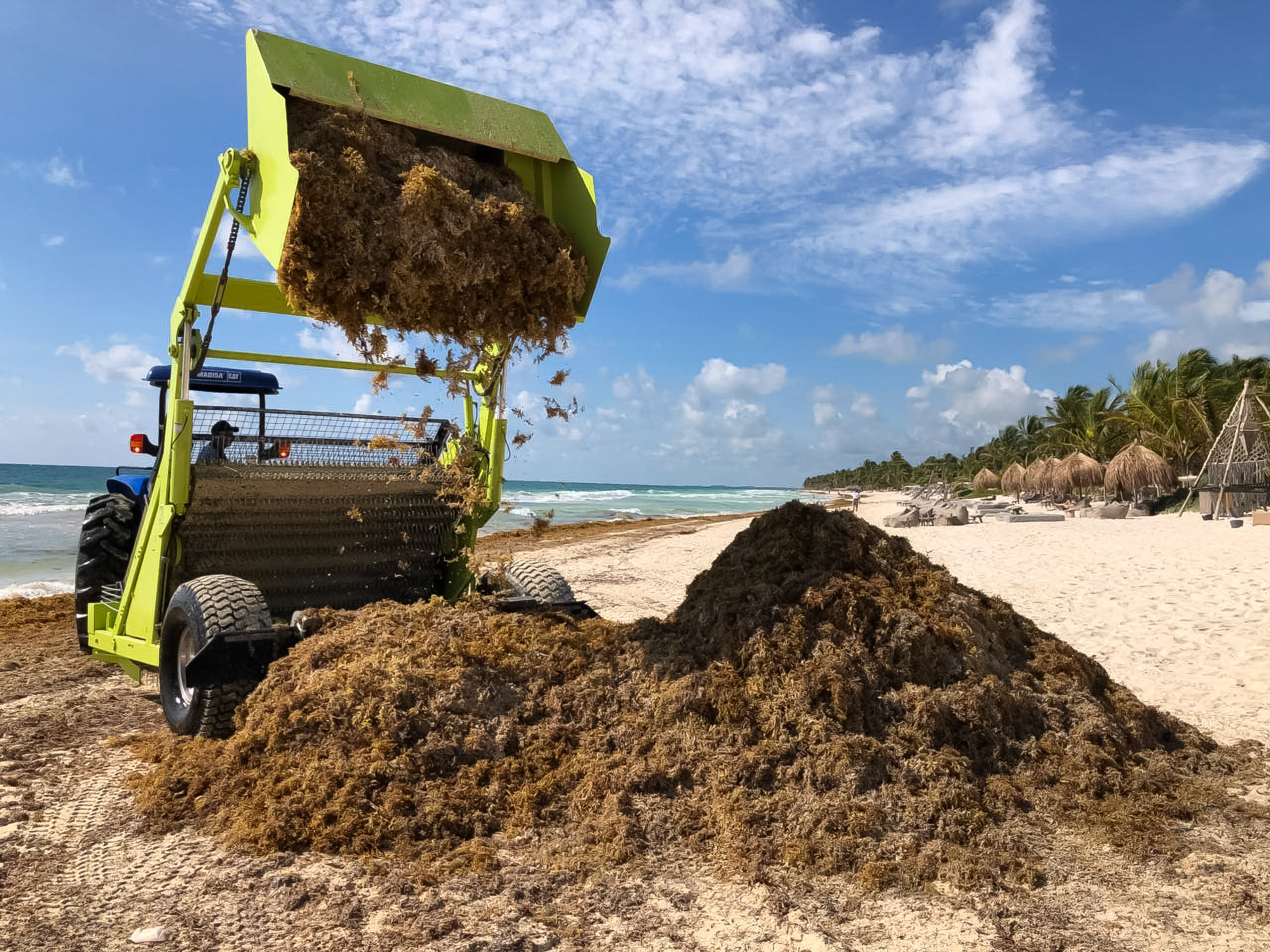
See the Surf Rake handling seaweed, wet sand, subsurface debris, and post-storm cleanup
Copyright 2026