
BEACH CLEANUP SOLUTIONS TO IMPROVE:
LEAN OPERATIONS
Most beach managers think operational complexity comes from variable debris, changing conditions, or staffing constraints. What we've actually found is that operational drag almost always comes from the cleanup method being mismatched with the specifics of the beach and team. This results in added friction in coordination, maintenance, training, and sustaining a smooth program over time.
Below, we'll show you how different cleanup approaches compare across the operational factors that create drag in your program—so you can identify which method will reduce complexity and free up your time and attention for higher-value work.
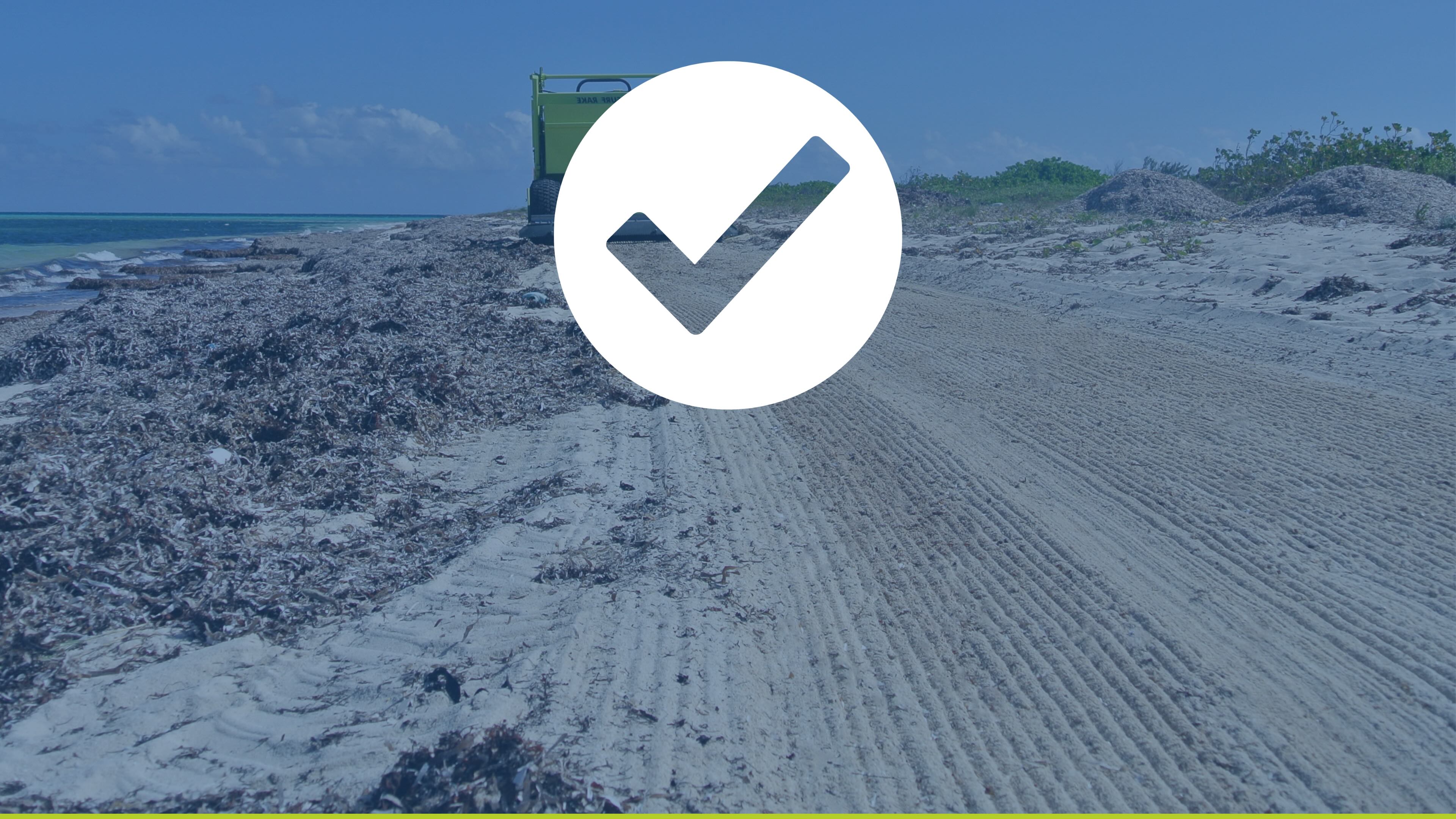
If your beach cleanup program struggles with lean operations, you're likely dealing with one or more of these limitations:
Cleanup requires your direct involvement or oversight to run smoothly— it doesn't function well without you
Constant coordination with your team or other departments, last-minute troubleshooting, or workarounds to keep operations on track
High training requirements that make it difficult to use substitute workers or adapt when staffing changes
Frequent gear prep, maintenance, repairs, or equipment adjustments that consume time and attention without improving results
The solution to improve lean operations is to employ a cleanup method that operates with minimal coordination, training, and maintenance overhead— allowing your program to run consistently without constant management intervention.
LEAN OPERATIONS ACROSS CLEANUP METHODS
The following chart compares how the most common beach cleanup methods perform across the factors that influence how lean your program’s operations can be—so you can identify the best method to reduce operational drag in your program.
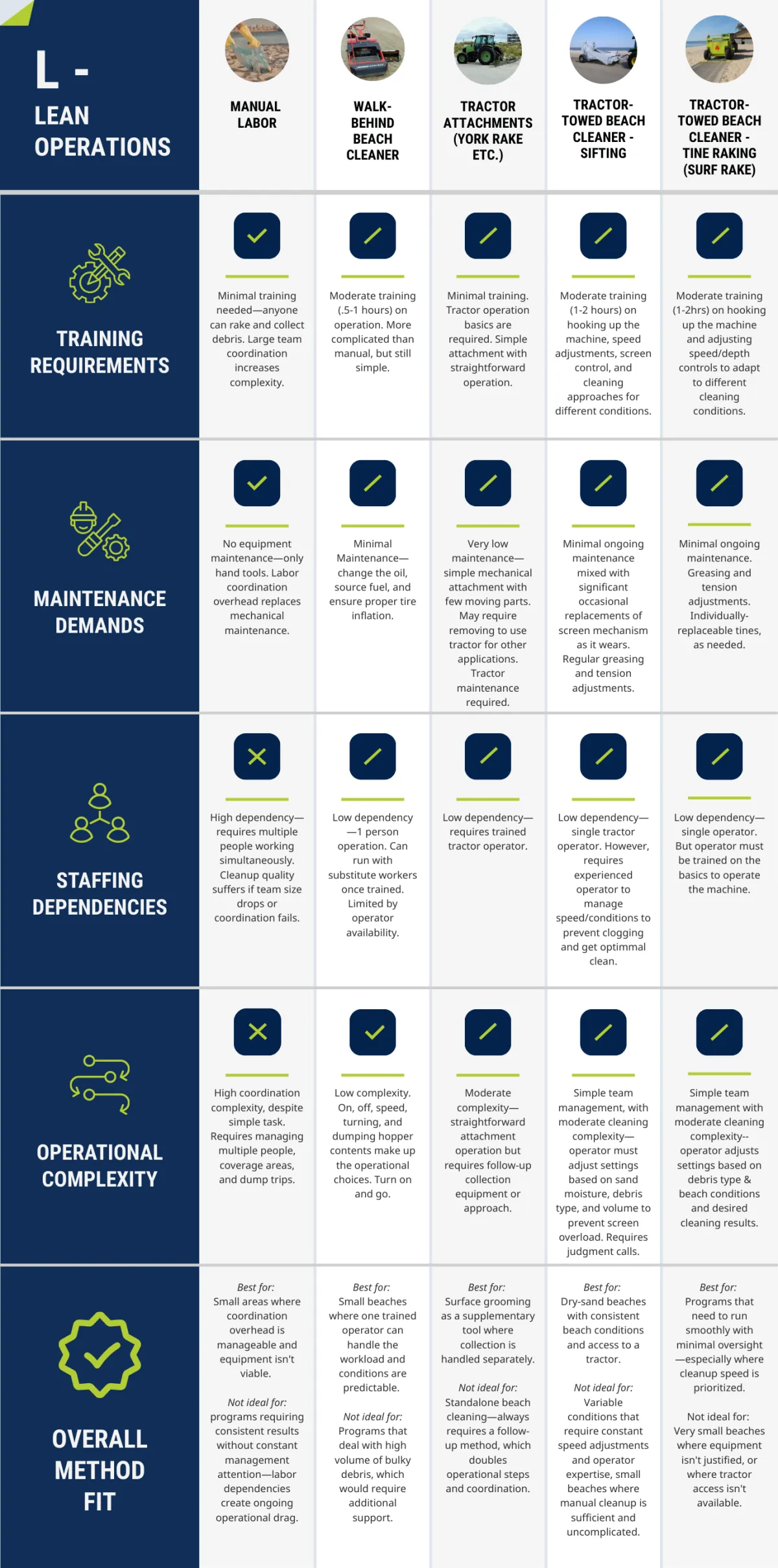
*Performance based on typical beach conditions. Actual results vary by specific debris composition, sand moisture, compaction, and beach terrain.
KEY TAKEAWAYS:
Tractor-Towed Tine-Raking Beach Cleaners
Reduce Operational Drag the Most
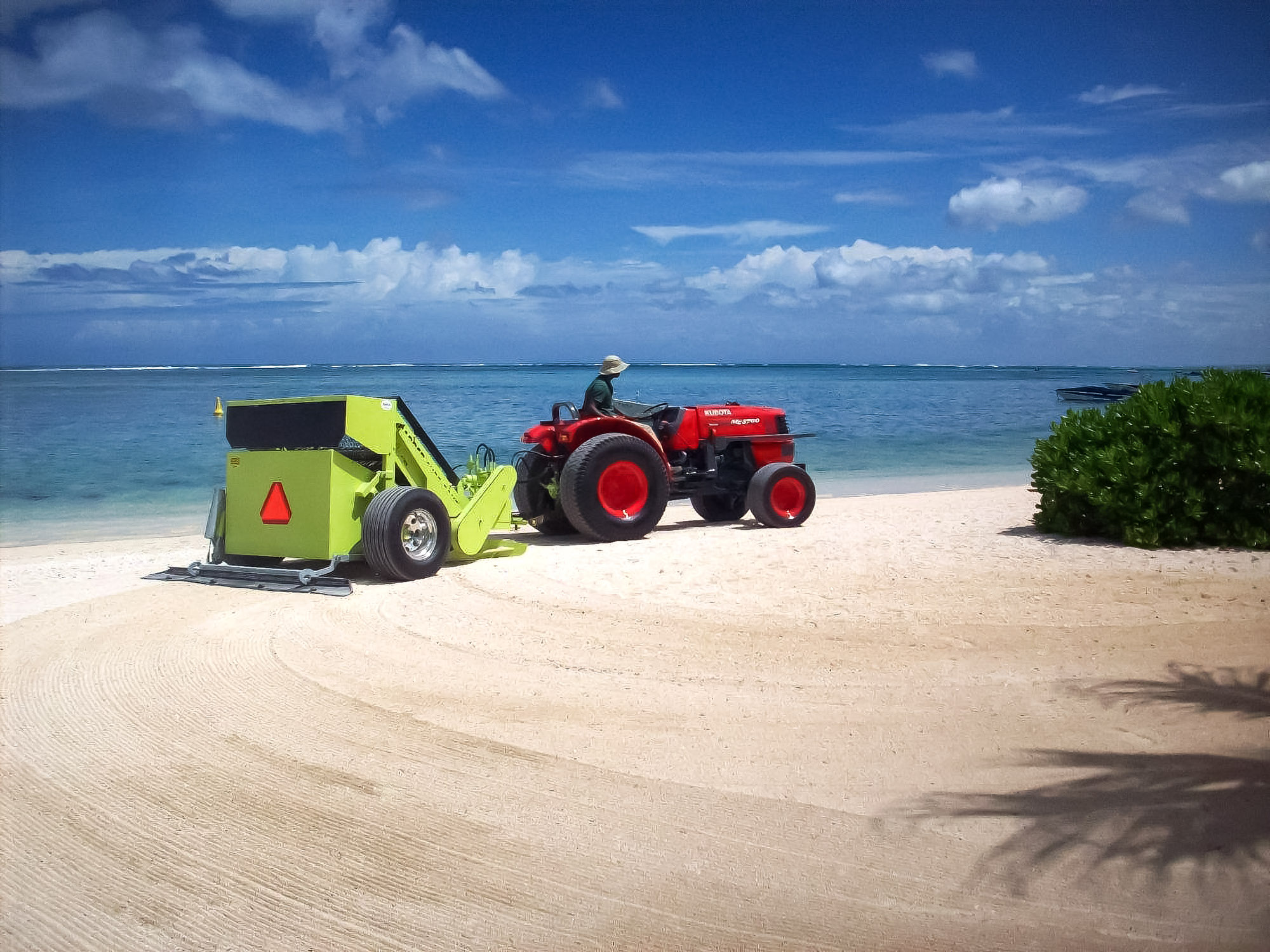
When lean operations is your constraint, you need a method that runs consistently with minimal coordination, training, and maintenance overhead—freeing your time and attention for higher-value work rather than troubleshooting and firefighting.
While walk-behind and tractor-towed sifting machines reduce staffing dependencies compared to manual labor, they still require supplemental methods or more highly trained individuals to maintain performance across changing conditions.
Specifically, tine-raking beach cleaners empower your program to run smoothly day after day—without requiring your direct involvement or constant operational adjustments.
When Tractor-Towed Machines
Might Not Be Necessary to Improve Operational Simplicity
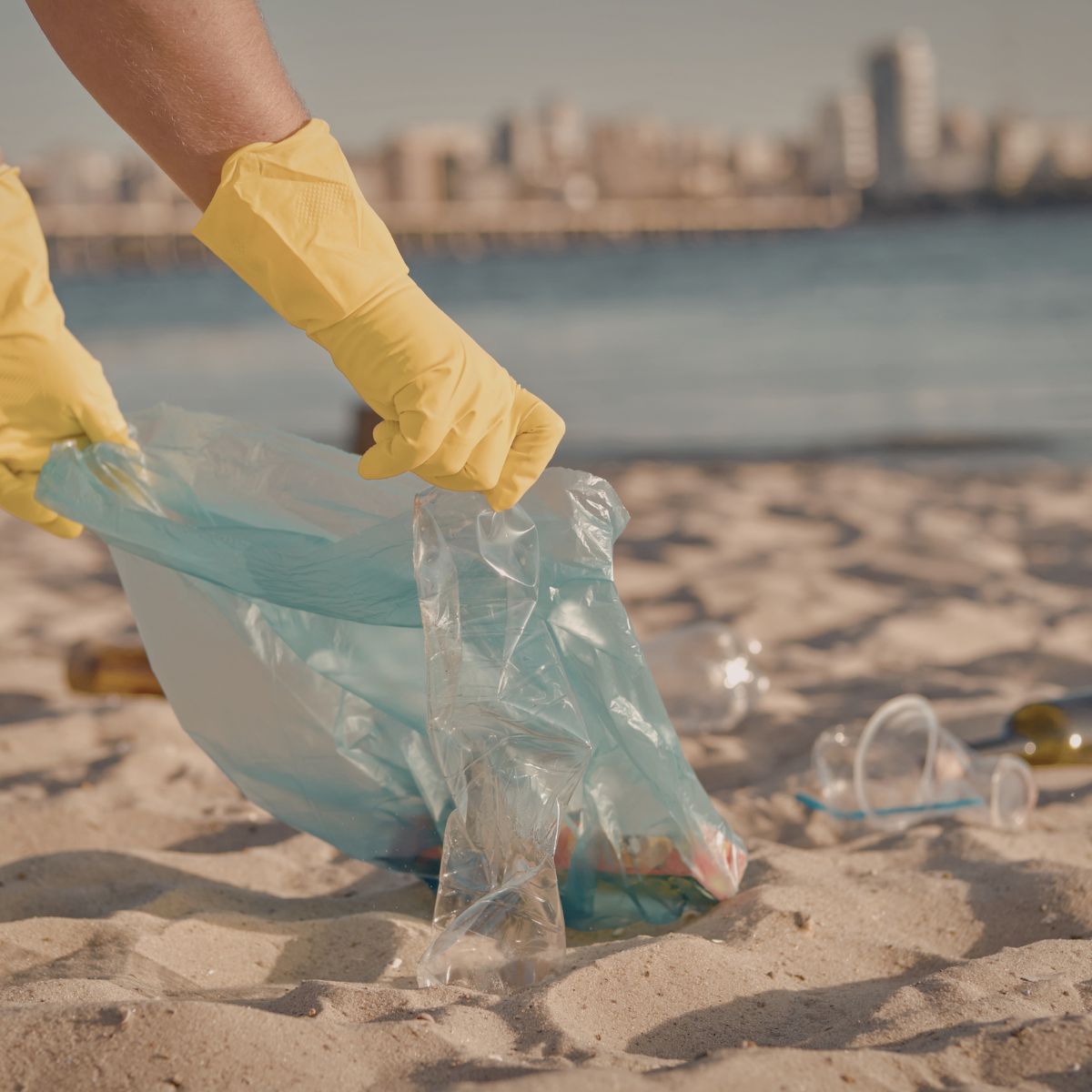
Your beach is under 1 acre and operational simplicity is already adequate with current methods
You have a dedicated, consistent crew that handles coordination smoothly without requiring your oversight
Current operational overhead (training, maintenance, coordination) is minimal and not consuming management attention
Budget constraints make equipment investment prohibitive right now
In these cases, manual cleanup or a walk-behind machine might still work. But if you're constantly troubleshooting, coordinating staff, or personally managing details to keep cleanup running, tractor-towed tine raking typically eliminates the perational complexity creating drag in your program.
It’s also important to consider that Lean Operations is only one of the criteria that would impact your decision to use a beach cleaning machine. Check your cleaning capability, efficiency, and adaptability requirements, as well, before deciding for or against adding a machine to your program.
SURF RAKE: TINE RAKING BEACH CLEANER FOR:
Simple, Low-Maintenance Operation
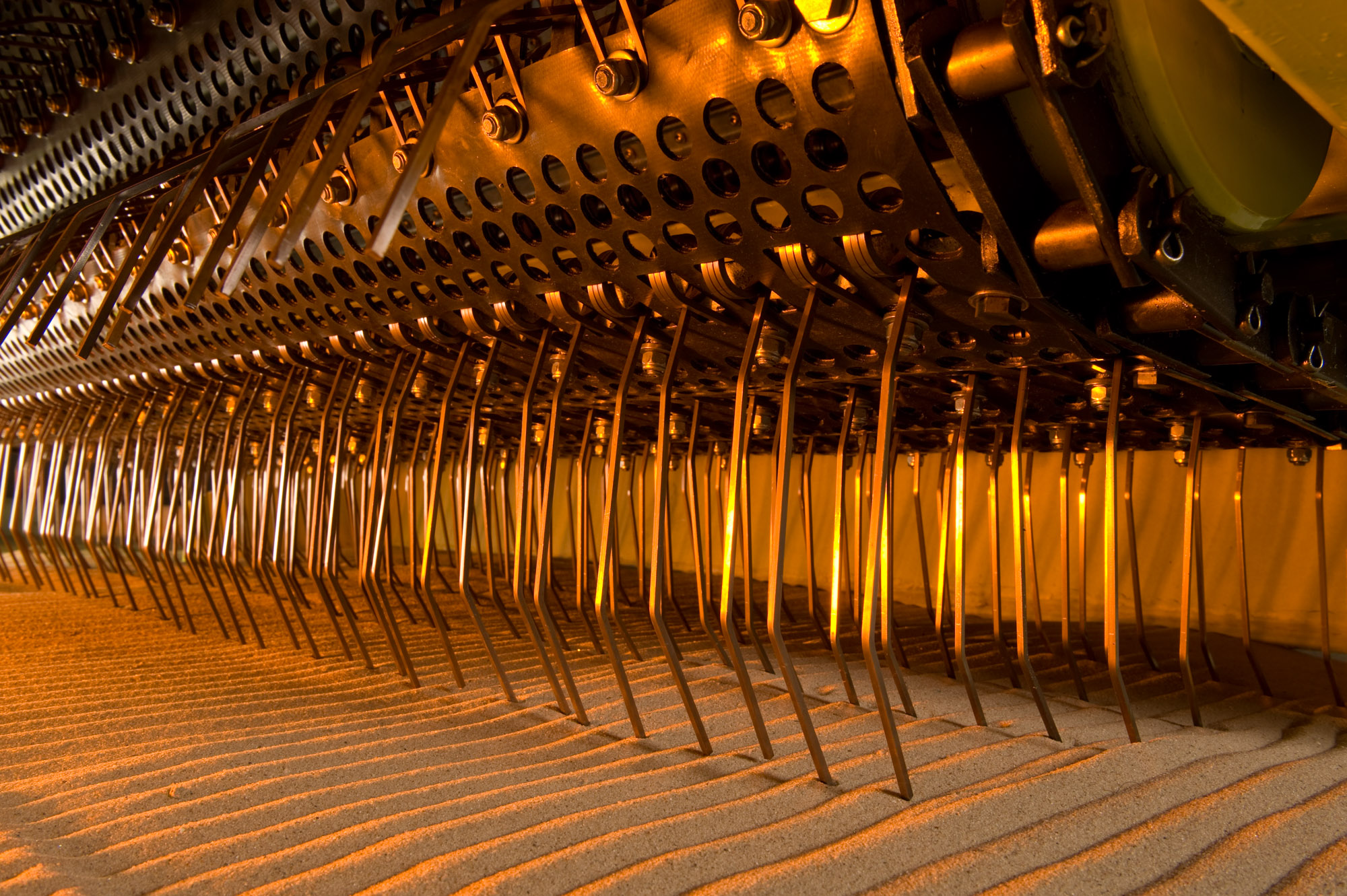
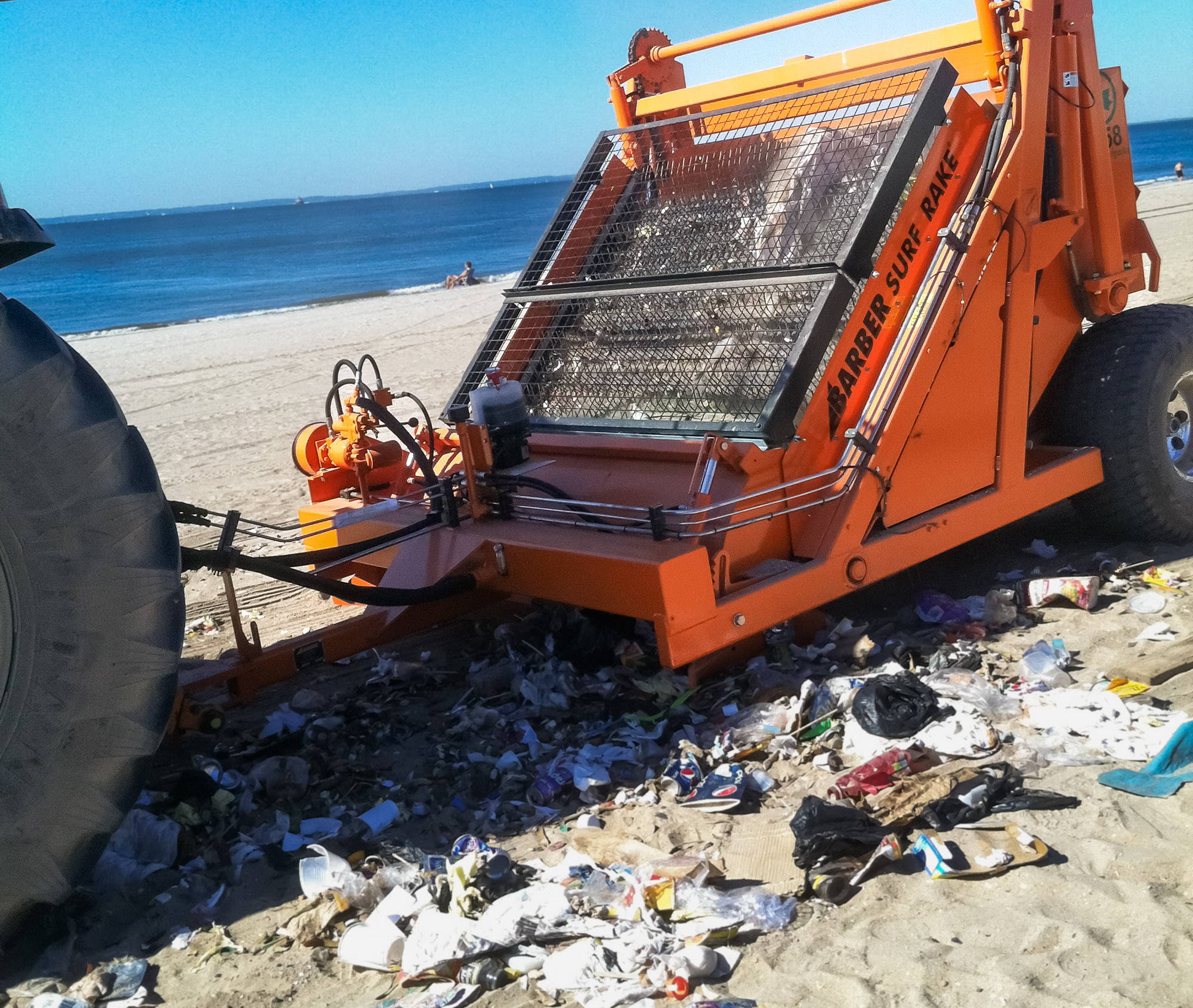
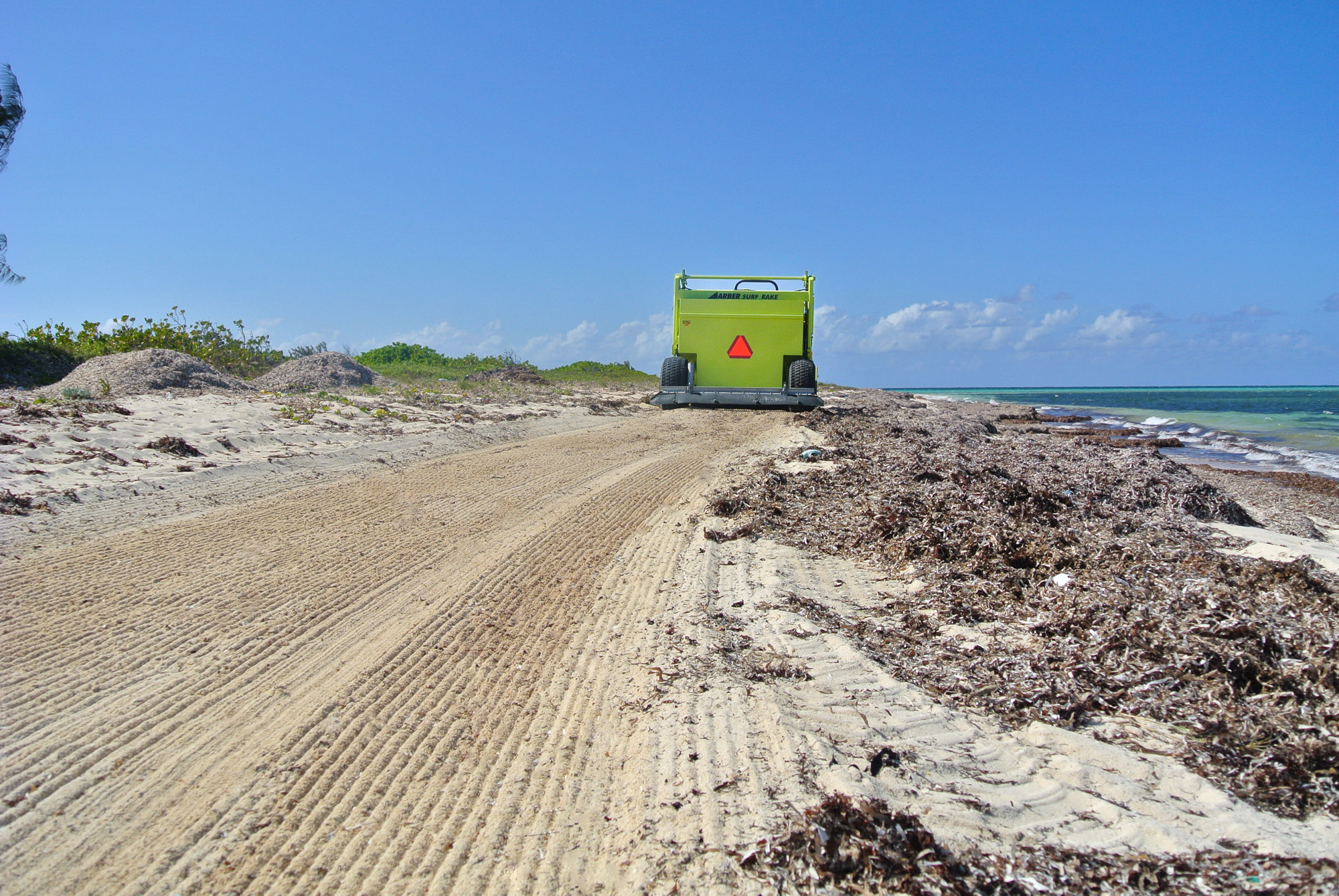
Since 1966, H. Barber & Sons has manufactured the Surf Rake—the most widely used tractor-towed beach cleaner in the world. It was designed specifically to reduce the operational complexity and maintenance demands that create drag in beach cleanup programs.
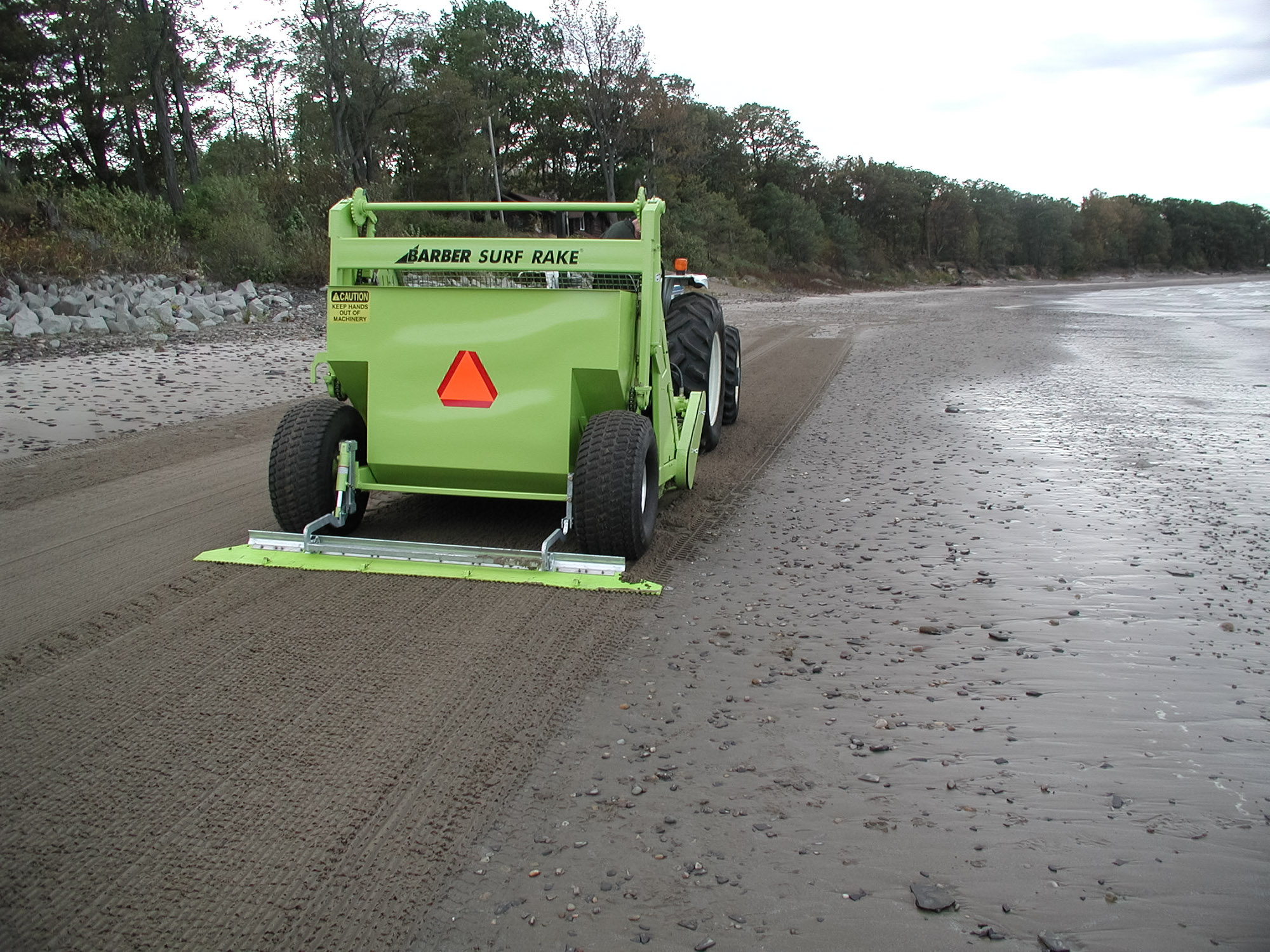
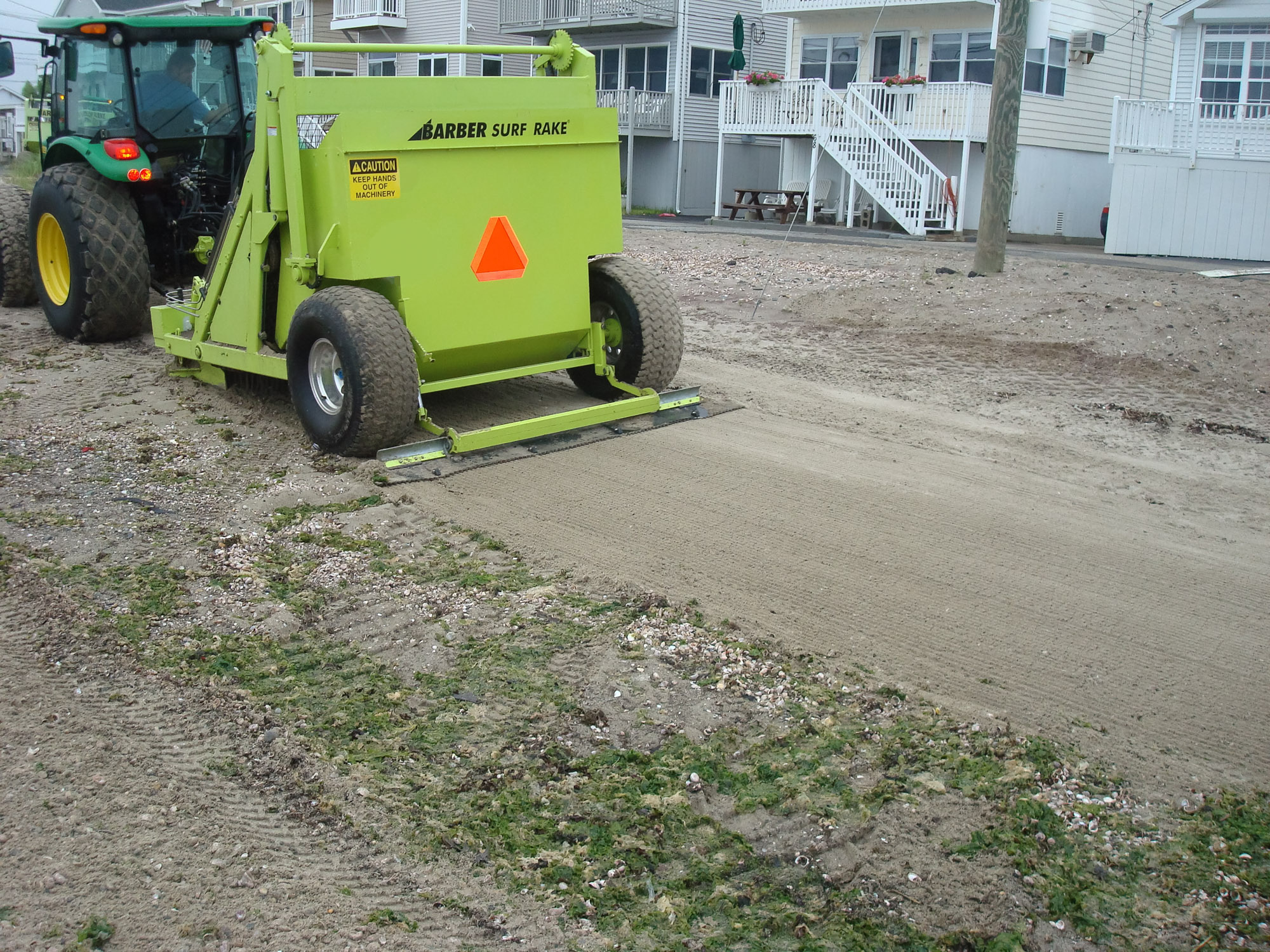
Purpose-Built for Lean Operation
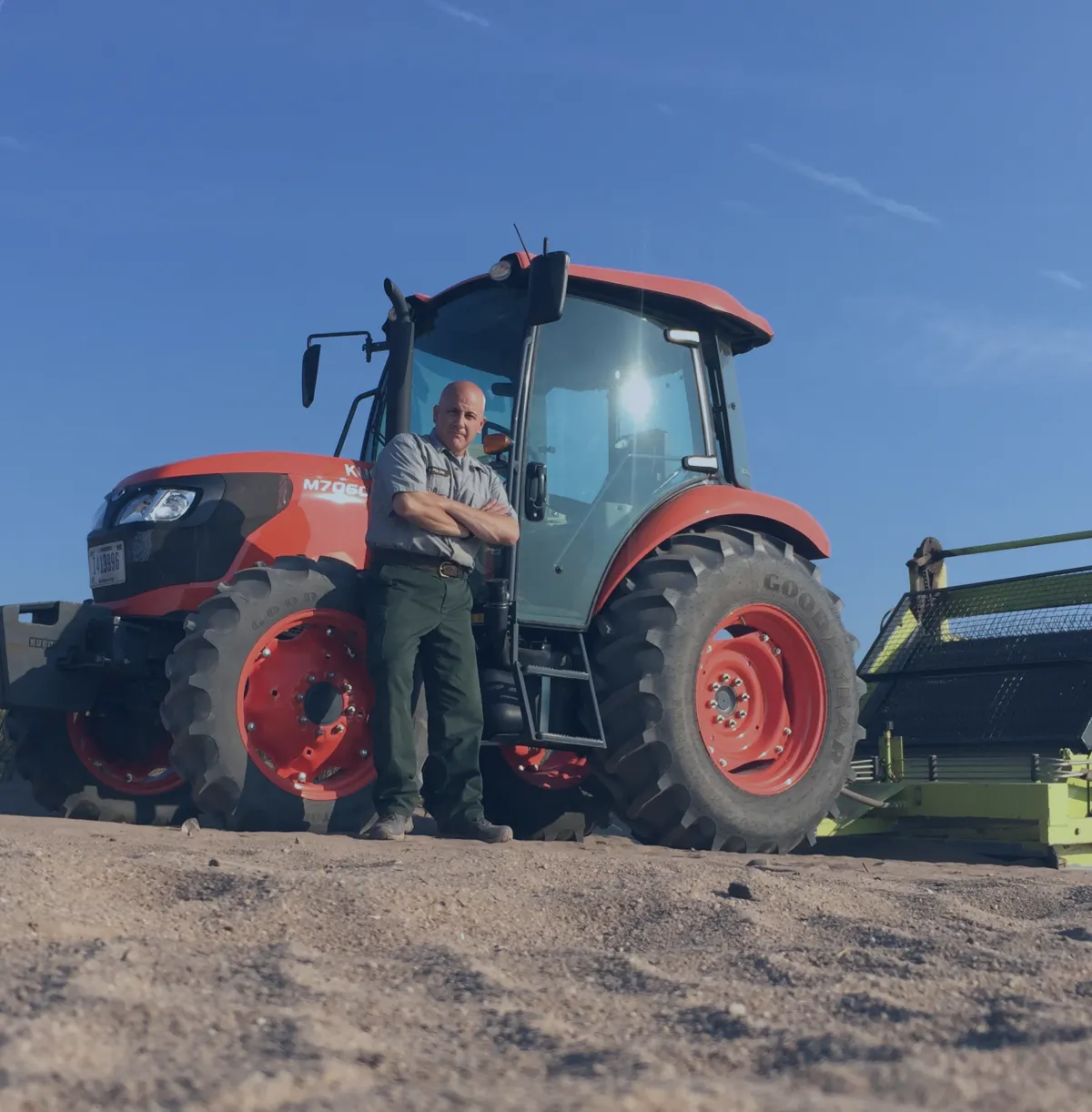
Single Operator, Simple Coordination
Eliminates coordination requirements—one person, one tractor, one pass. No team scheduling, coverage planning, or communication overhead
Clear, Simple Training
Under 1 hr of training required—if the operator can drive a tractor, they can run the SURF RAKE effectively. Access training videos from anywhere in the world or get personalized assistance from our team.
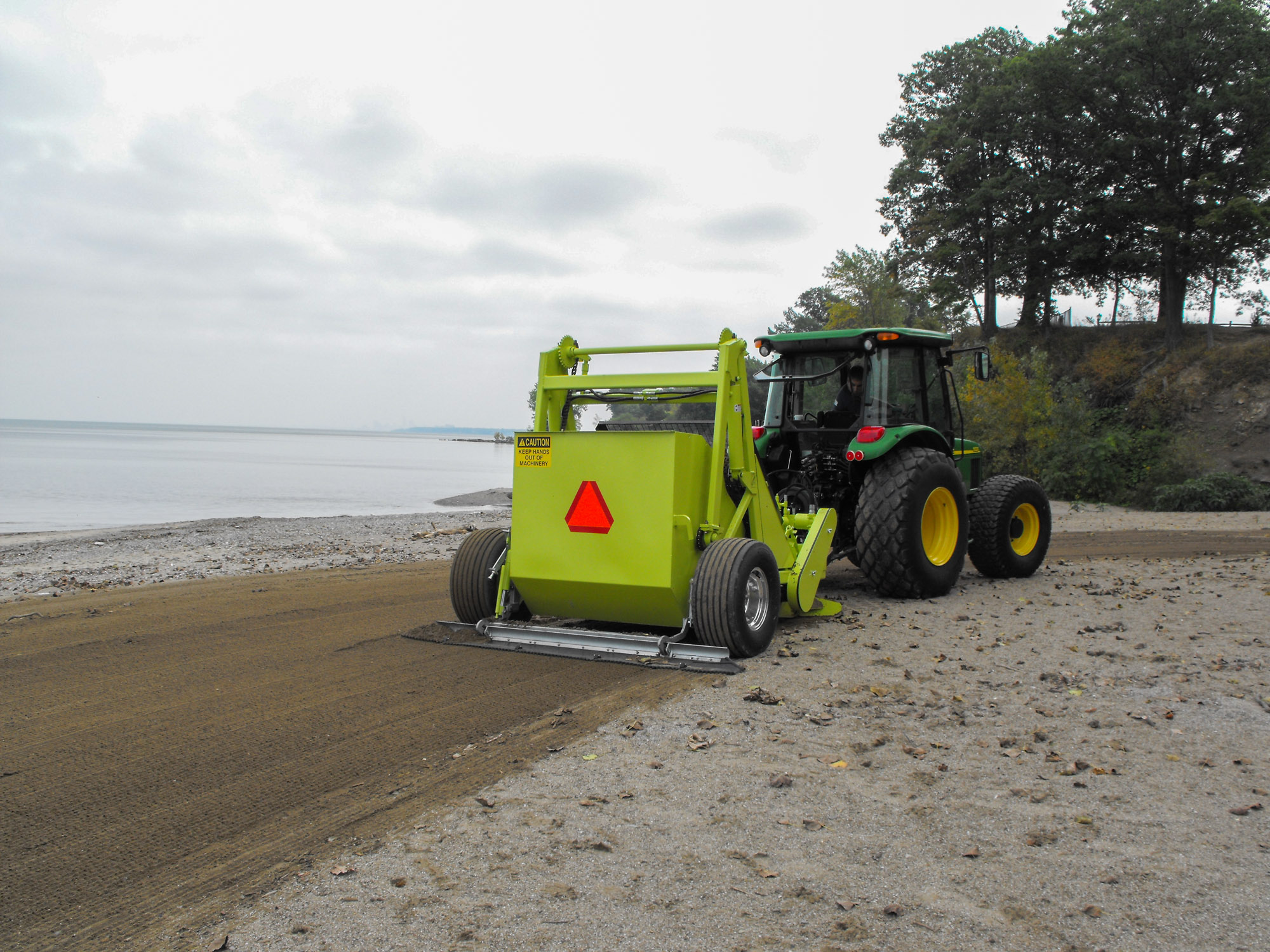
Rock Solid Longevity
Decades of operational lifespan—Surf Rakes routinely run 10-20+ years with basic maintenance, eliminating the need to frequently re-evaluate your cleanup approach
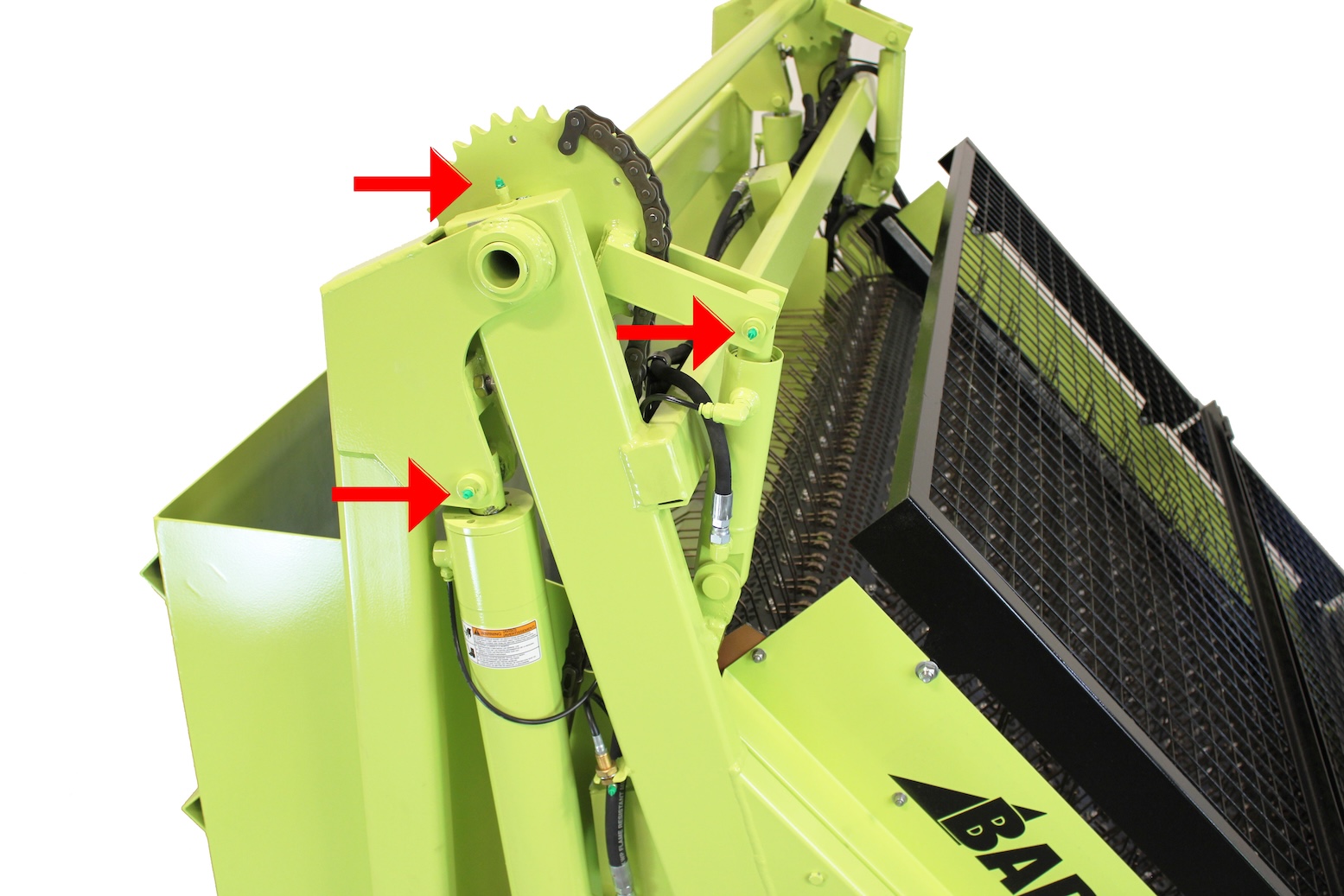
Simple, Quick Maintenance
Minimal maintenance demands—grease points and occasional belt inspection. Replace individual tines, as needed, instead of the entire screen or conveyor unit
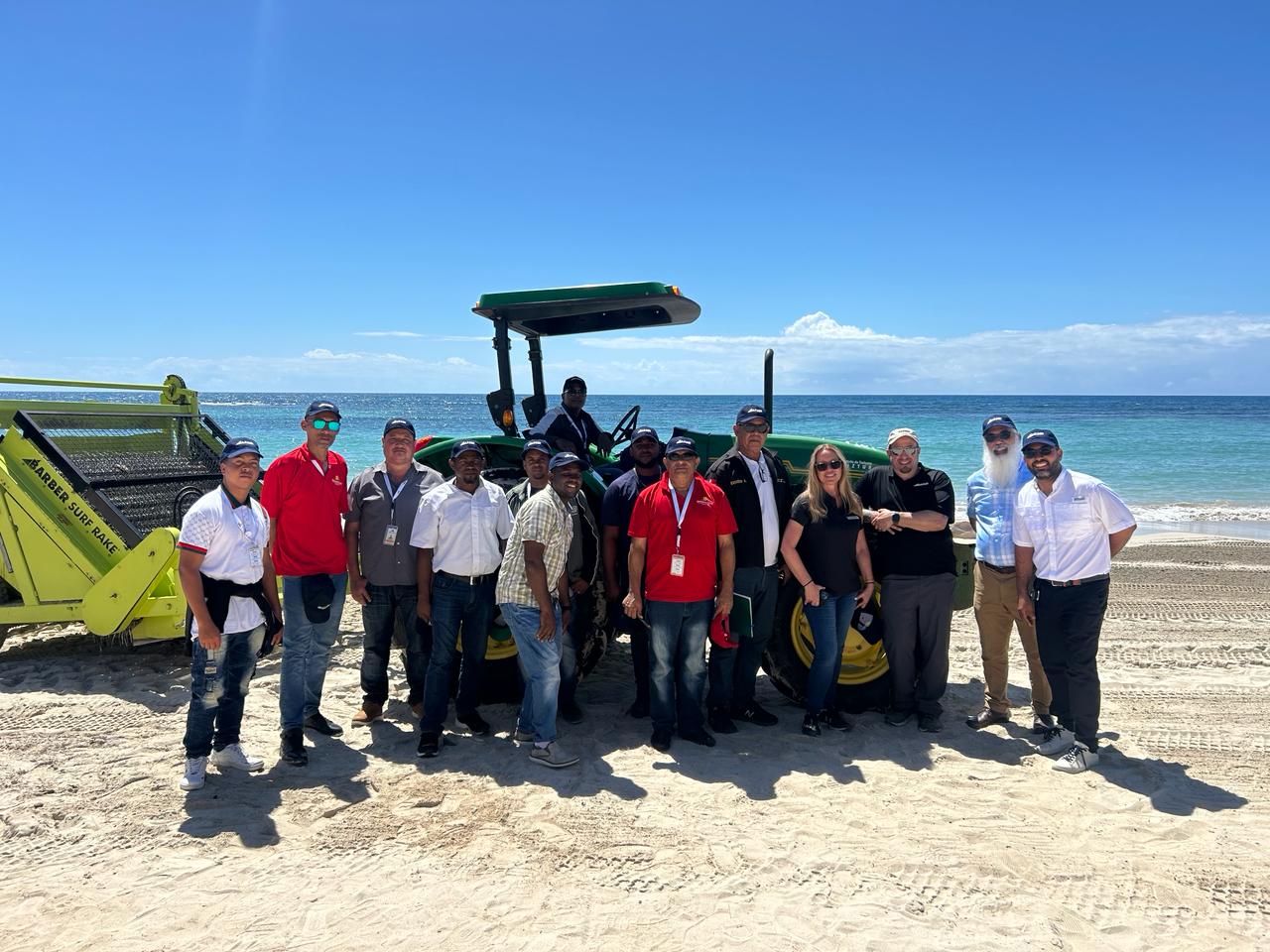
THE SURF RAKE:
Over 60 Years as the World's Most-Used & Trusted Beach Cleaner
Used by thousands of beach managers across 90+ countries for the past 60+ years—including municipal beaches, resorts, private properties, and contractors—who need reliable beach cleaning. The SURF RAKE has been honed through iterative design to be the most reliable, efficient, and effective beach cleaning machine in the industry.
Request a Consult Call
Ready to see how the Surf Rake would handle your beach's debris and sand conditions?
We'll review your scorecard results and discuss any specific questions you have about how to improve your beach cleaning program. We can cover:
Whether mechanical beach cleaning is a good fit for your program
If so, which Surf Rake model fits your beach size and debris types
How it would handle your specific capability gaps
Operational impact compared to your current method
Not Ready to Talk?
Here Are Some Additional Resources:
Review the SURF RAKE'S Details
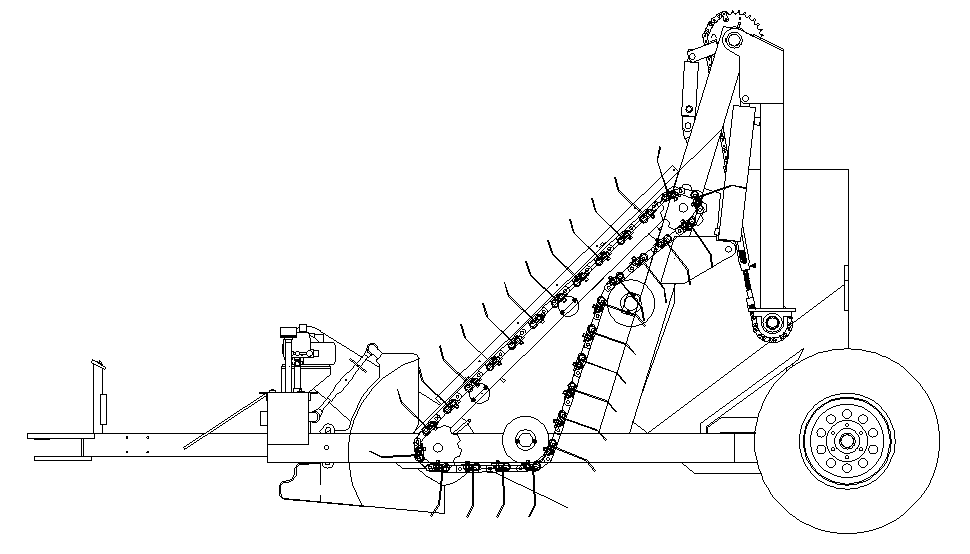
Technical specs, tine configurations, debris handling capacity, and model comparisons
Not Sure Which Model?
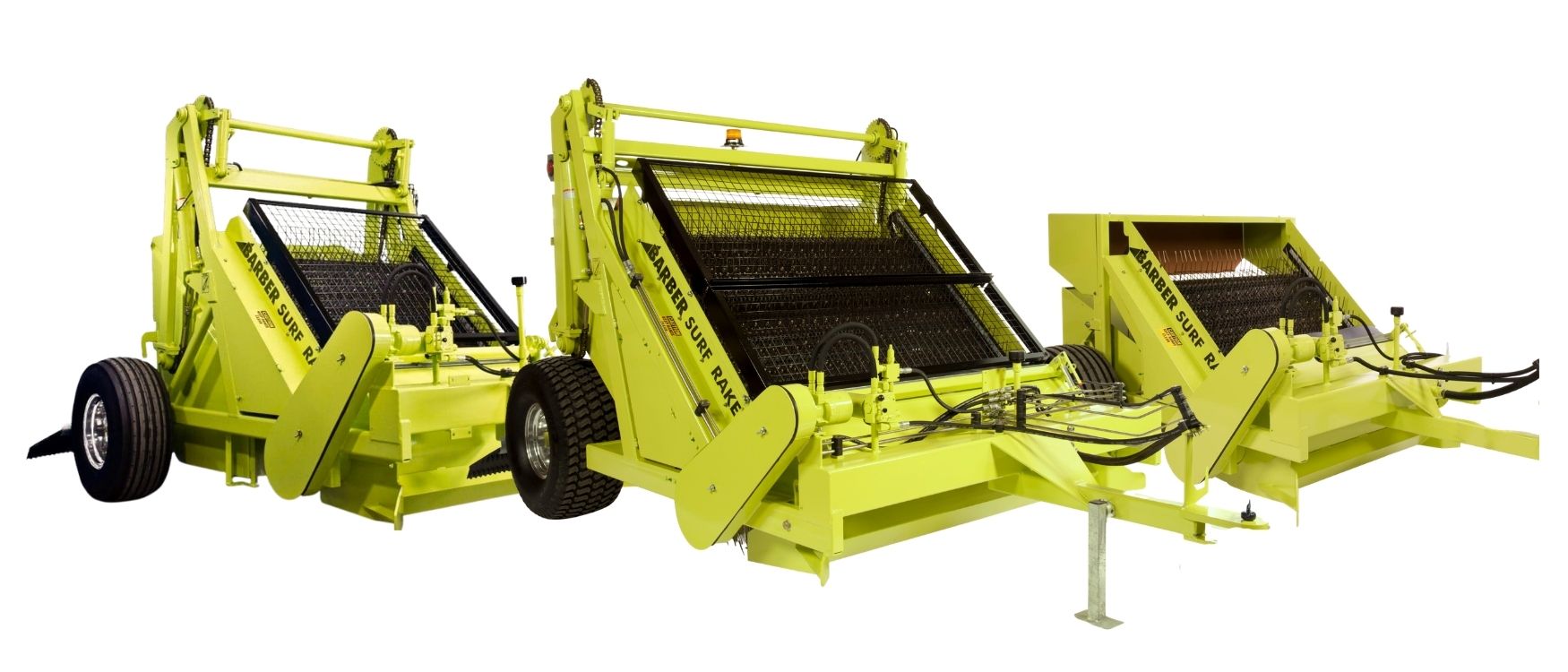
Use our Surf Rake Model Recommendation Tool to see which model could be the best fit for your beach.
See It in Action
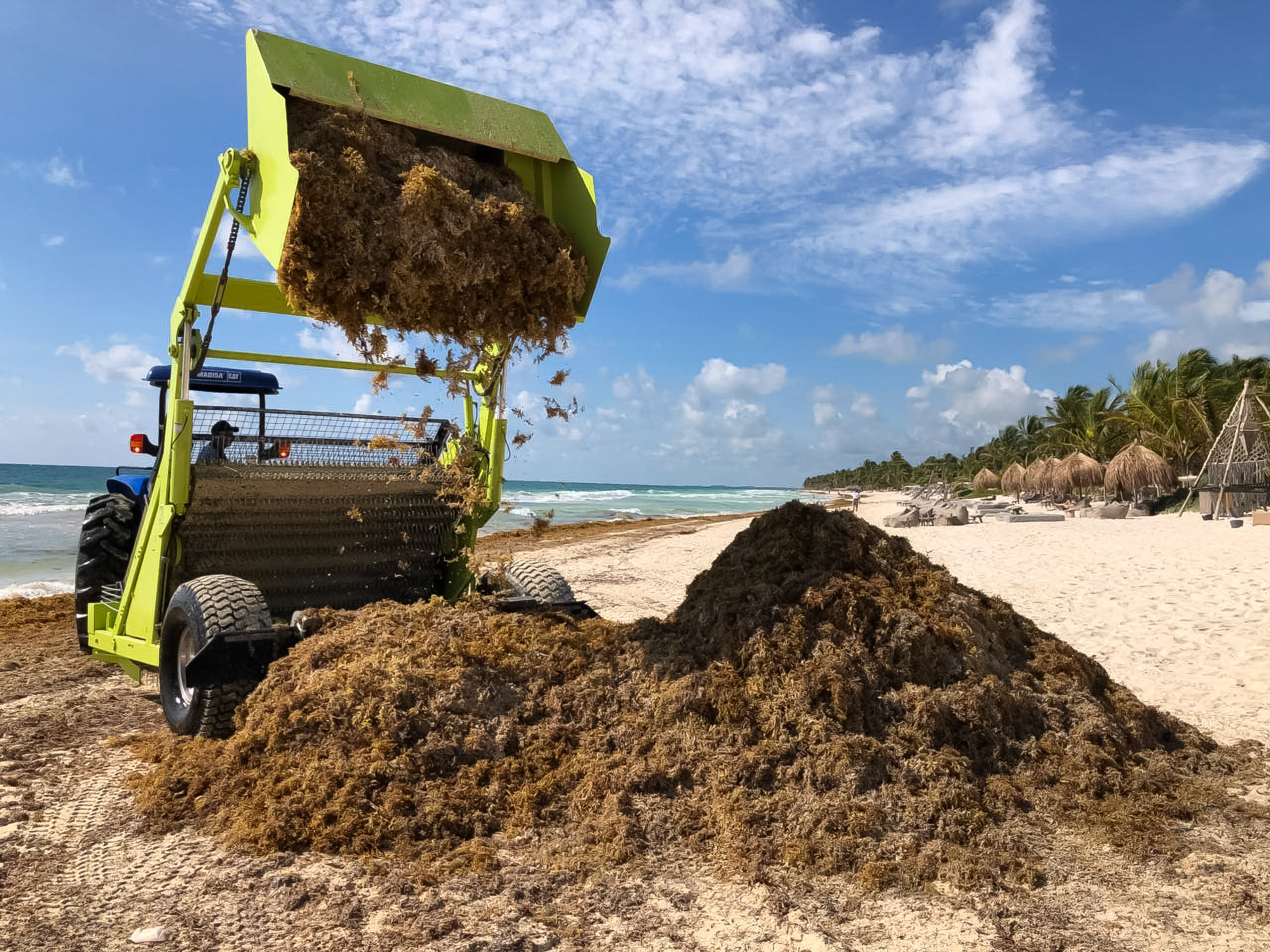
See the Surf Rake handling seaweed, wet sand, subsurface debris, and post-storm cleanup
Copyright 2026